Lisbon, March 3, 2026 (Lusa) - Renewable energy production supplied 81% of electricity consumption in February in Portugal, a month in which electricity consumption increased by around 5% year-on-year, according to data released by the electricity and gas network manager, REN.
Non-renewable energy production accounted for 19% of supply.
"The foreign trade balance was positive, corresponding to around 5% of domestic consumption," added REN - Redes Energéticas Nacionais, in its statement released on Monday.
According to the company's data, hydroelectric plants had a productivity index of 1.97 (historical average equal to 1), "the highest figure ever recorded by REN for February (records since 1971)", while wind farms had a productivity index of 1.29 (historical average of 1).
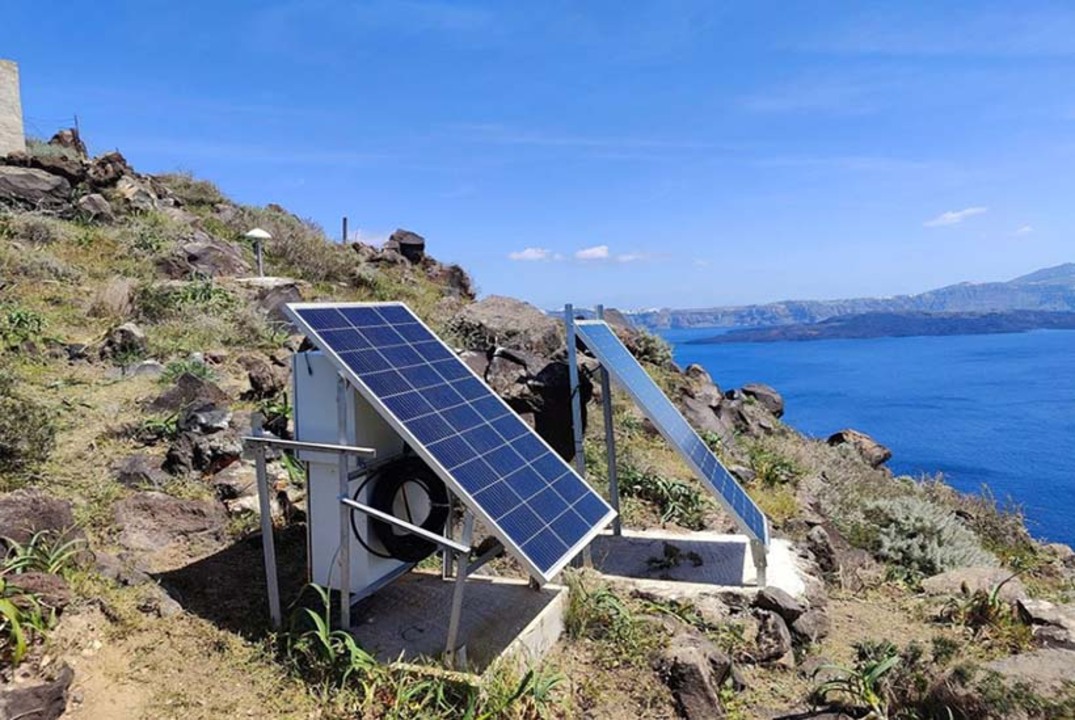
Solar production recorded "the lowest index ever for a month of February (0.59), as a result of unfavourable weather conditions, translating into a year-on-year drop of 19% despite the increase in installed capacity," notes REN.
Electricity consumption in Portugal grew by 5.2% in February compared to the same period last year, or 5.7% "taking into account the correction for temperature and the number of working days", with "consumption increasing by 6.6% in the first two months of the year (5.7% with correction for the same effects)".
The natural gas market grew by 24% in February compared to the same period last year, "driven by the electricity production segment, which grew by 83% compared to the same month last year," explains REN.
"The conventional segment, which includes other consumers, also grew by 2.7%," it adds, noting that "overall, this was the highest monthly consumption since July 2023."
REN data also show that cumulative natural gas consumption increased by 15%, with growth of 45% in the electricity production segment and 3.8% in the conventional segment.
In the month under review, the country's national system was mainly supplied from the Sines LNG terminal.
According to the company, 76% of domestic supply was ensured through the Sines terminal, with most of it originating in Nigeria (39%), the United States (24%) and Russia (13%), while the remaining 24% came through the interconnection with Spain.
JMF/AYLS // AYLS
Lusa