Lisbon, Sept. 16, 2026 (Lusa) - The Portuguese president on Wednesday called for a new impetus in policies to promote reading, arguing that the country cannot simply accept the problems highlighted by the latest PISA results.
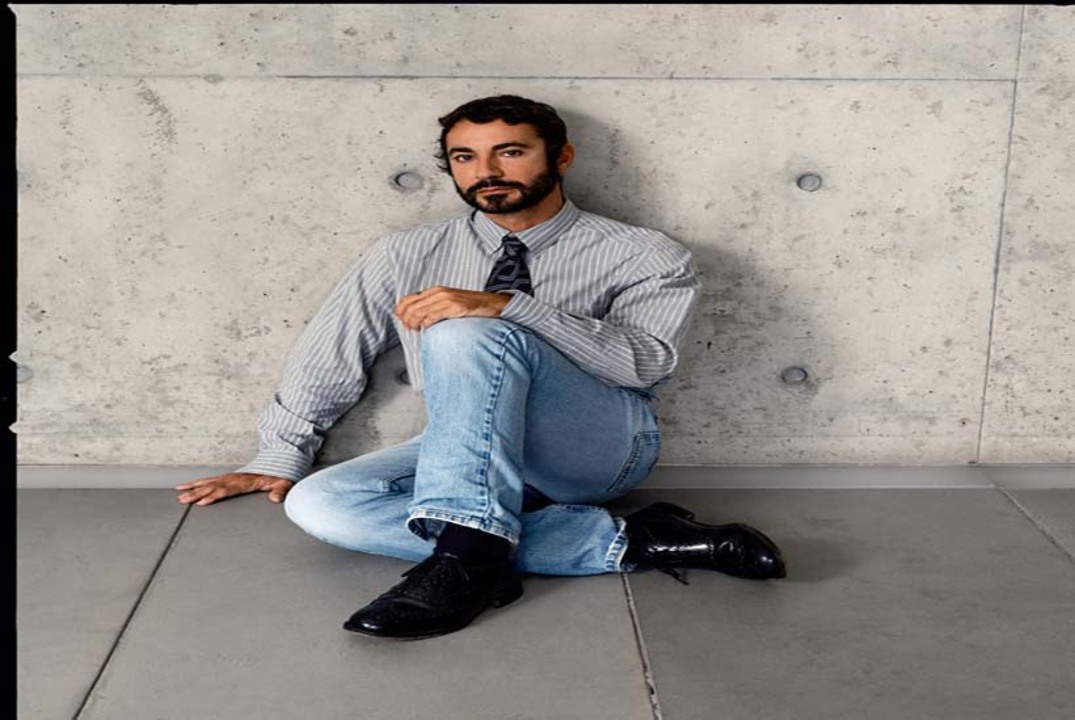
«Forty years after the creation of the Public Reading Network, a fresh impetus is needed in policies on reading education and cultural enrichment. This will make us a nation of readers. It is a task that concerns schools, first and foremost, but also families and each and every one of us, as Portuguese citizens,» declared António José Seguro at the Belém Cultural Centre in Lisbon.
The Head of State, who was speaking at the fourth edition of the Book 2.0 event, an initiative of the Portuguese Association of Publishers and Booksellers (APEL), also called for the enhancement of the Portuguese language in the media and in politics, as well as at events such as this one – which has an English name – and emphasised the importance of «everyday language».
In his speech, António José Seguro referred to the «recently published PISA [Programme for International Student Assessment] studies» which point to a «decline in literacy rates as well as, in many developed countries, the abandonment of reading as a source of pleasure or as a dominant cultural activity», resulting in «a decline in cognitive skills and a decline in literacy in science and mathematics».
«This may be, as some have suggested, a time of a certain complacency in the face of these rather unwelcome figures,» he commented, referring to the decline in skills highlighted by the PISA studies, carried out by the Organisation for Economic Co-operation and Development (OECD).
«Portugal is now facing the reality of this decline, which is underpinned by figures, studies and forecasts. In this regard, we cannot simply resign ourselves to it, nor can we give up the fight for reading and, more than that, for the quality of reading – which are two different things,» he went on to argue.
He considered that reading «is an antidote to exclusion and ignorance, the most dangerous of viruses in a democracy» and that «a nation that reads is more powerful and better prepared for the challenges of its time».
«I believe that a nation that reads fosters human intelligence and does not passively wait for the benefits and conveniences of artificial intelligence. I believe that a nation that reads – and reads good books – is more resilient to the gales of populism, inequality, ignorance, injustice and oblivion. This is a challenge for the coming years,» he added.
Regarding the number of books sold in Portugal last year – 15 million, according to a study by APEL – Seguro said that «we are on the right track», but that «there is room for improvement» in book sales and «also in the quality of reading».
Towards the end of his speech, the president stressed «the need to value the Portuguese Language‘, which, in his view, should be written with a capital letter and constitutes «an essential asset" of life in society.
According to him, «increasingly, on television and in politics, in the discourse of economists and managers, of young people and public figures, there is a pervading sense of neglect towards the Portuguese Language".
«Knowledge of lingua francas and, as is the case with this gathering, welcoming our foreign visitors, does not exempt us from recognising the greatness and importance of our principal lingua franca, the Portuguese language», he argued.
António José Seguro invited everyone to attend the Book Festival at the Palace of Belém, running from Thursday to Sunday, and concluded his speech by emphasising the importance of «everyday words», which «are a place of encounter and communion, of understanding and of the future».
IEL/AYLS // AYLS
Lusa