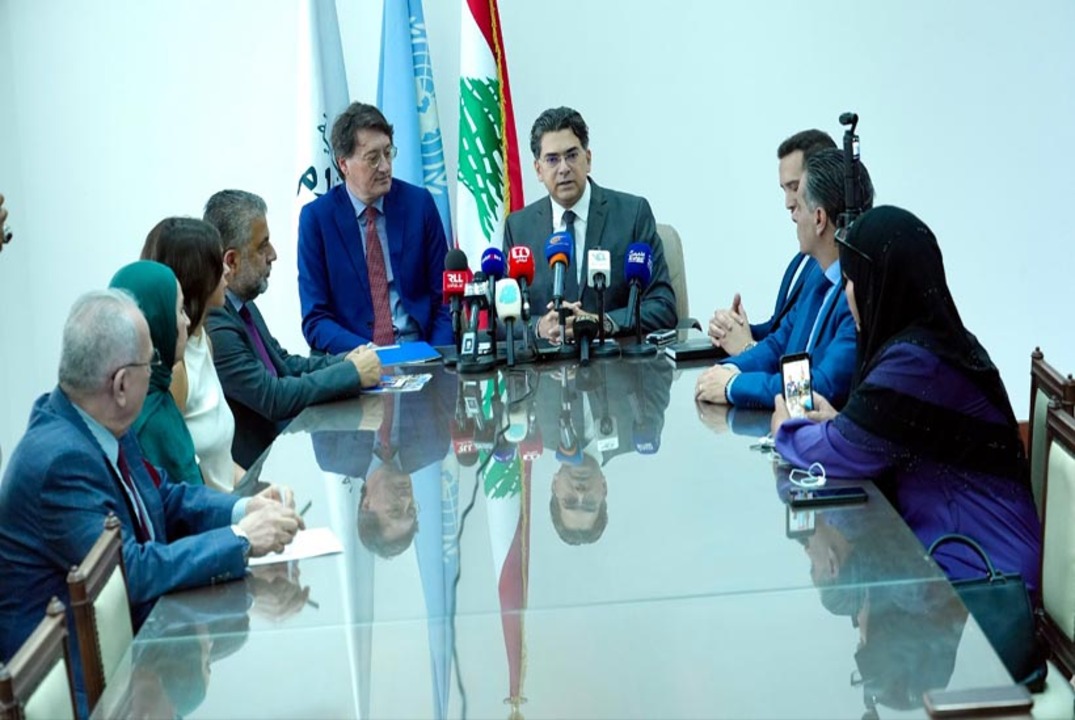
Maputo, Oct. 27, 2025 (Lusa) - For the third year running, the African Development Bank (AfDB) has paid an insurance premium of $2 million (€1.7 million) to Mozambique to cover the 2025/2026 agricultural season against drought.
According to information from the AfDB, this is support under the African Disaster Risk Financing Programme (ADRiFi), which aims to strengthen countries' financial preparedness against climate shocks by supporting sovereign risk insurance, improving risk modelling and integrating disaster risk financing into national policy frameworks in Africa.
Mozambique is considered one of the countries most severely affected by climate change, facing cyclical floods and tropical cyclones during the rainy season, which runs annually between October and April, as well as prolonged droughts.
Under the ADRiFi programme, the AfDB says it provides "financing and subsidises insurance premiums for participating African countries, while strengthening their capacity to manage climate risks".
"The African Risk Capacity Group (ARC) provides sovereign risk insurance and guarantees rapid payouts when disaster thresholds are activated, while donor countries, including the United Kingdom, Switzerland, Canada, Norway and the Netherlands, contribute funding through the Multi-Donor Trust Fund to support the implementation of the programme," says the AfDB.
Quoted in the same report, the AfDB's group leader for agricultural finance risk reduction and climate resilience, Andrew Mude, pointed out the urgency of implementing climate insurance programmes: "Climate impacts are intensifying across Africa".
'ADRiFi has mobilised more than $150 million (€129 million) to support 16 African nations, safeguarding more than six million people and demonstrating the transformative potential of strategic financial solutions in safeguarding lives and livelihoods,' said Mule, quoted in the same report, referring to the formal handover of this support at the 2025 Climate and Disaster Risk Financing Forum in Maputo this month.
On 14 October, the Mozambican government approved the contingency plan for the 2025/2026 rainy season, which it admits could affect 1.2 million people, but has less than half of the 14 billion meticais (€190 million) needed.
"Of the part that we have available, in terms of capacity to deal with this, we're talking about around six billion meticais (€81.4 million), which is part of what was calculated as necessary for this year, is available in means, in equipment and some money," said the cabinet spokesman, Inocêncio Impissa.
The rainy season in Mozambique began this month and lasts until April. The cabinet has approved a contingency plan that includes three scenarios that could affect between one million and four million Mozambicans. However, the government is working on the most realistic scenario in the intermediate forecast, with consequences for around 1.2 million people.
"After analysing the seasonal climate forecasts and interpreting them for hydrology, agriculture and health, combined with vulnerability analysis and containment factors, the government adopts a contingency plan that responds to a scenario in which strong winds, urban flooding, drought, floods and cyclones occur," he explained.
The plan, recognised Impissa, speaking to journalists at the end of the weekly meeting of that body, has "a deficit of eight billion medicais (€[108.6 million), which is expected to be reduced through other sources of funding, such as parametric insurance [support from the ADB], implementation of actions in anticipation of drought, floods and cyclones, and donations in kind or in cash".
PVJ/ADB // ADB.
Lusa