Dili, Oct. 10, 2025 (Lusa) - Timor-Leste's oil minister, Francisco da Costa Monteiro, said the Tasi Mane project could yield a return of $52 billion (around €44.6 billion) by 2056.
"The message I bring may be a little complex, but it is this: if we fully implement the Tasi Mane project, we can achieve a return of $52 billion by the year 2056," said Francisco da Costa Monteiro.
The minister was speaking on Thursday during a national seminar on the challenges and sustainability of the oil fund and alternatives for the state after the end of Bayu-Undan, on the theme: "Policy, Strategy and Options of the 9th Constitutional Government in the Oil and Mineral Resources Sector".
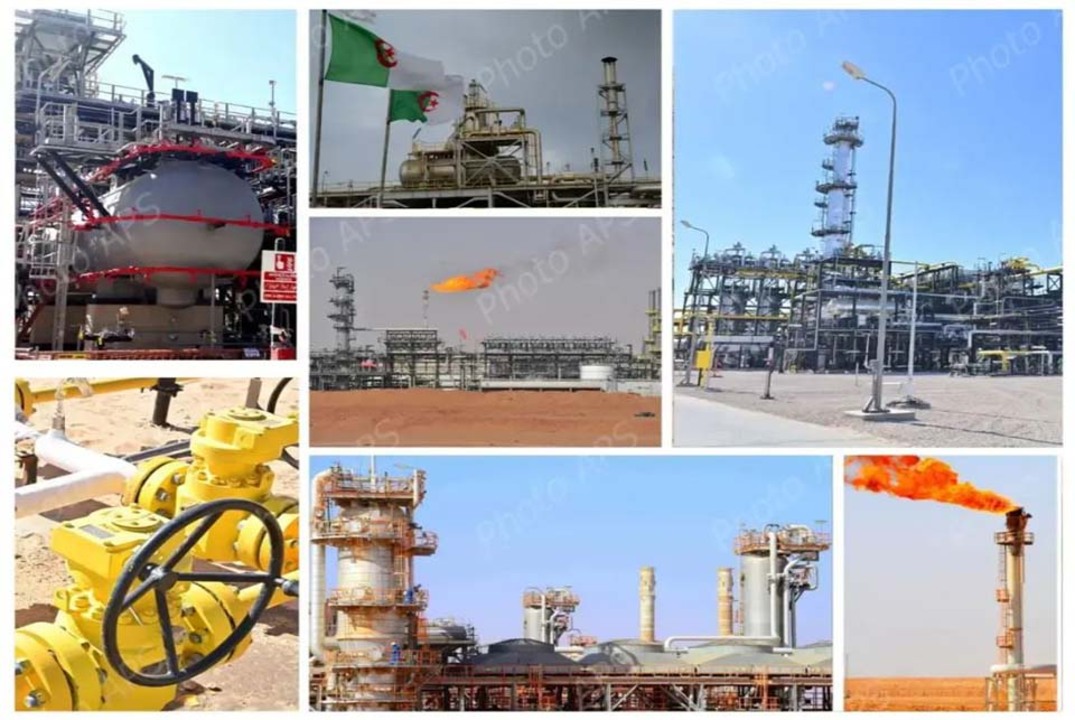
Tasi Mane is a project that envisages the construction of infrastructure to develop the oil industry, including a logistics base, a refinery, and a liquefied natural gas plant, to be developed on the south coast.
"The studies are positive and indicate that it is possible to attract investors to Timor-Leste, that it is feasible to build a Liquefied Natural Gas plant in the country and that the refinery is technically feasible according to the feasibility studies carried out," said the minister.
The government has already initiated the public consultation process (socialisation) to explain the project's impacts and benefits to the population, and feasibility studies have been conducted to minimise environmental and community impacts.
"We've invested in Suai airport, we've started some works in Suai, we're investing in the logistics base, the motorway, and also in the studies that are currently underway in Natarbora and other areas," he said.
Monteiro noted that the Bayu-Undan field has ceased production, which could reduce Timor-Leste's Petroleum Fund revenues. However, he emphasised that this does not mean that the country is bankrupt.
On 7 March 2025, the Cabinet authorised the Ministry of Petroleum and Mineral Resources (MPRM) to incur expenses for the implementation of the Tasi Mane Project on the country's southern coast, amounting to $40 million (around €34.35 million).
The seminar was attended by university students, representatives of civil society and organisations such as the National Petroleum Authority (ANP).
To develop the Tasi Mane project, the Timorese authorities are committed to finding a solution that allows the Greater Sunrise field to be developed with a direct connection to Timor-Leste.
Located 150 kilometres from Timor-Leste and 450 kilometres from Darwin, the Greater Sunrise project has been at an impasse, with Dili advocating construction of a pipeline south of the country and Woodside, the consortium's second-largest partner, leaning towards a connection to the existing unit in Darwin.
The consortium is made up of Timorese company Timor Gap (56.56%), operator Woodside Energy (33.44%) and Osaca Gás Australia (10.00%).
A mandated conceptual study by the British company Wood confirmed the project's viability in Timor-Leste, but an official decision on its development has yet to be announced.
The permanent maritime boundary agreement between Timor-Leste and Australia determines that Greater Sunrise, a shared resource, will be divided, with 70% of the revenue going to Timor-Leste if a pipeline to the country is used, or 80% if processing is in Darwin.
The pipeline connection to the south of Timor-Leste is considered by the Timorese authorities to be strategic for the country's economic growth.
DPYF/ADB // ADB.
Lusa