Lisbon, Sept. 22, 2025 (Lusa) - Consumer association Deco won a lawsuit against Meo, Nos and Nowo that could lead to the return of €40 million to customers for price increases between 2016 and 2017, according to the consumer protection association.
The decision by the Court of First Instance is not yet final, as the operators can appeal to the Court of Appeal and then to the Supreme Court.
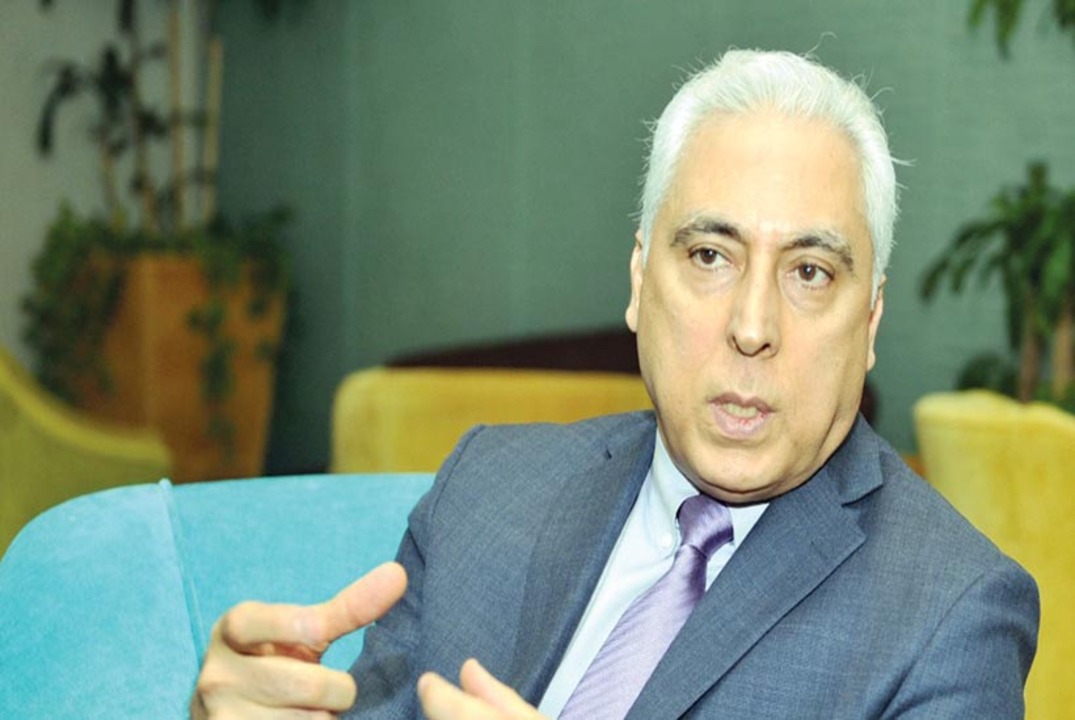
As Deco's strategic and institutional relations advisor, Paulo Fonseca, explained to Lusa, the court considered the operators' communications about the price increases during this period to be null and void, as they did not correctly inform customers or give them the right to terminate contracts without penalty.
"The decision simply does what we have always defended: it forces the operators to return the difference they were unduly charged for around eight to ten months," he emphasised.
Deco's action, against Meo's owner (Altice), Nos and Nowo (now owned by Digi), came about after several complaints from consumers who didn't know the exact amounts they would be charged or realise that they could terminate their contract free of charge. Vodafone was not included because, according to Deco, "there is no record of increases to private consumers" during this period.
At issue is the 2016 amendment to the electronic communications law, which now obliges operators to inform consumers whenever they unilaterally change their contracts, including the price, and to indicate the possibility of cancellation without penalty.
According to the association, between August and September 2016, customers began to receive notifications of increases well above inflation, almost 1,000% higher than the value recorded at the time, which was particularly low. Furthermore, these communications did not include clear details about the exact amounts to be charged or the possibility of cancelling without penalty. Shortly afterwards, in the following months, prices were effectively increased without consumers having been properly informed or advised of their rights, he said.
Faced with this situation, Deco met with the operators, who maintained that the communication was correct. After a complaint to Anacom, the regulator concluded that the communication was deficient and ordered it to be repeated, but did not oblige the refund of the amounts, which led to the legal action brought by Deco in 2018.
According to the association, around 1.6 million consumers may be affected by the decision, especially those subject to loyalty periods.
The amount to be refunded was calculated by multiplying "the monthly increase unduly charged" by the number of months it was in force, taking into account the date of the change until the court decision. In other words, the corresponding amounts were totalled, resulting in a total of nearly €40 million, a figure that the association acknowledges could be higher as the calculations are refined.
On average, each consumer will be able to recover between €14 and €30, plus interest on arrears accumulated since 2018, which will increase the amount if the decision becomes final.
Paulo Fonseca was confident of a favourable outcome for consumers. He pointed out that even those who hadn't saved invoices could be reimbursed, since the data should be recovered from the operators' systems.
Asked about a possible dialogue after the decision, he explained that Deco has not yet spoken directly with the operators, and that the process is only being dealt with by the lawyers in the judicial sphere.
He also emphasised that the decision has a symbolic weight: "This is a good opportunity to make the market more reliable for the consumer, which is a way of [getting customers to stop being] afraid of even changing operators," he concluded.
SCR/ADB // ADB.
Lusa