Lisbon, April 29, 2025 (Lusa) - Normal activity at health units resumed on Tuesday, and the non-urgent situations that had to be postponed on Monday because of the blackout are being rescheduled for the next few days, the health service said.
In a statement, the Executive Directorate of the Health Service (DE-SNS) said that the 39 Local Health Units (ULS) and the three IPOs (Portuguese Institute of Oncology) activated their respective contingency plans following the power failure and "ensured that all resources were focused on urgent and essential responses for users".
It also said that the greatest difficulties were in fuelling the generators, namely at the Capuchos Hospital and the Alfredo da Costa Maternity Hospital, and the need to replace a generator at the Guarda ULS, which were resolved.
Quoted in the statement, the SNS's executive director, Álvaro Santos Almeida, said that "the SNS was able to respond to the crisis", guaranteeing that the population's needs were met.
"I would also like to thank, on behalf of the DE-SNS, the thousands of professionals who, once again, showed strong commitment and dedication, thanks to whom the SNS remained operational, safe and responsive," he added.
The note also said that on Monday, the DE-SNS contacted the ULS to ascertain difficulties, prevent problems, and ensure the supply of hospital generators.
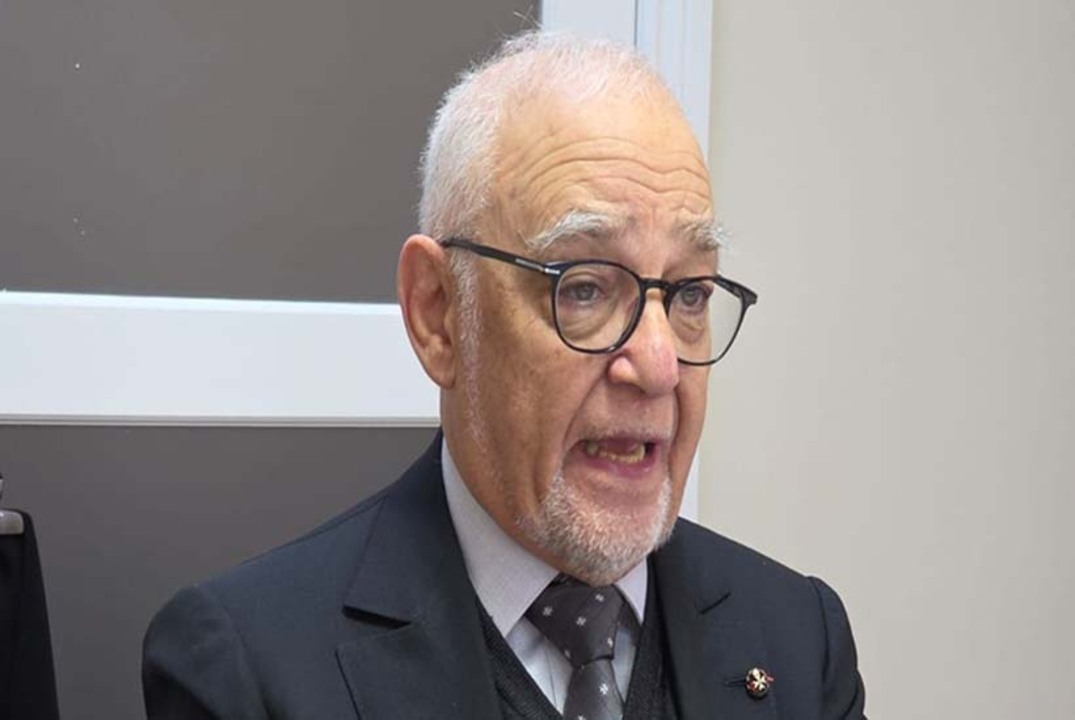
Speaking to Lusa this morning, the president of the Portuguese Association of Hospital Administrators (APAH), Xavier Barreto, said that there were some tense moments on Monday because of the need to refuel hospital generators, as not all of them had the same autonomy.
"From the moment the failure happened, all the hospitals started trying to figure out what their autonomy was, how much fuel they had in stock, and the situations weren't the same. We had hospitals with smaller stocks and therefore less capacity to run the generators until later," he explained, adding that coordination with the various authorities to refuel “went well”.
He also said that refuelling "was discussed with Civil Protection and the government", which "immediately prioritised supplying the hospitals and prioritised supplying those that didn't have fuel stocks or had “lower” stocks".
"It was a very tense process. When you realise that the generators have an expected period after which they will stop, and you're not sure that they will be refuelled, it's always a very tense moment," he said.
He also explained that when the hospitals realised what was happening, they "shut down all the non-critical areas", such as consultations, outpatient clinics, day hospitals and support areas such as laundries and kitchens.
"The energy available in the generators and batteries has to be saved for critical patients," he added.
SO/ADB // ADB.
Lusa