Miranda do Douro, Portugal, Dec. 16, 2024 (Lusa) - The Mirandese Language Association has published the first e-book in Mirandese, which is the result of transcribing short stories published in a podcast to make the language accessible to new speakers through reading and audio, the association announced on Monday.
"This work is the result of the transcription of short stories published in audio and which form part of a "podcast" called "Terreiro de la Lhéngua 25", with 15 stories. The e-book gives you the opportunity to read the story and at the same time follow the audio of the texts," Alcides Meirinhos, a member of the Mirandese Language and Culture Association (ALCM), told Lusa.
According to this ALCM official, the great novelty of this work is being able to associate audio with writing and at the same time create a way for Mirandese to reach people with hearing and visual limitations.
"The theme of this first edition of this pilot project, which covers the second language spoken in Portugal, centred on various short stories and themes in Mirandese, with the collaboration of writers such as Amadeu Ferreira, Adelaide Monteiro, Alfredo Cameirão, Carlos Ferreira and Suzana Ruano," as well as Alcides Meirinhos himself.
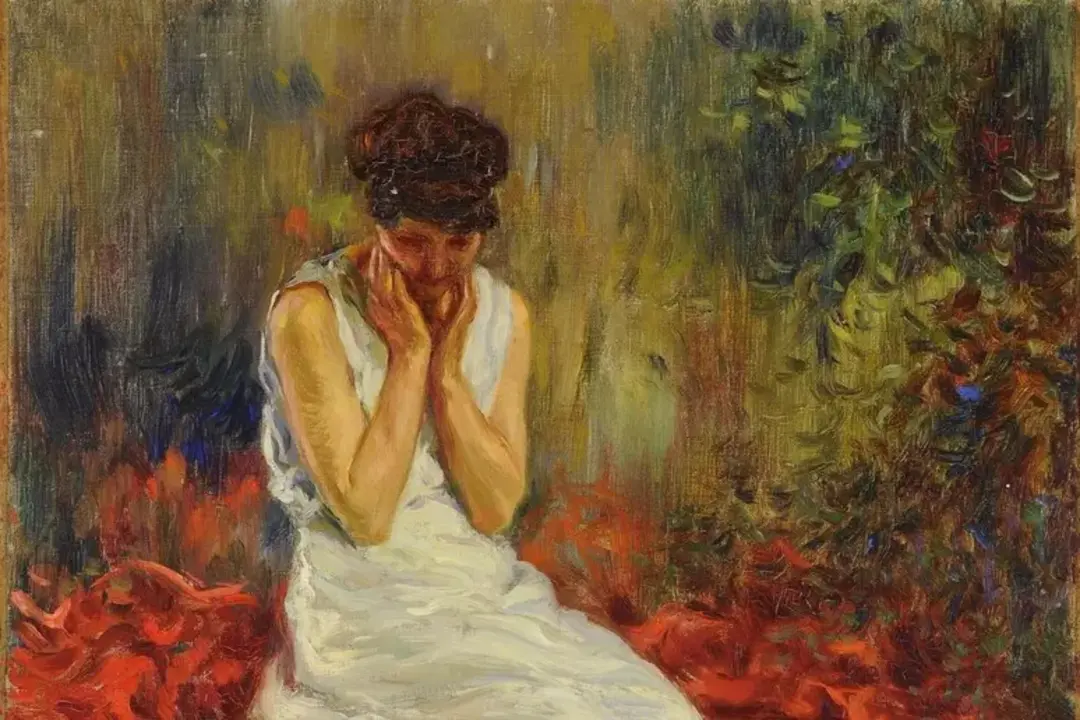
The digital edition also features original illustrations by the Mirandese graphic designer Ana Rita Afonso (Ana Manjora).
"This work is the result of a project approved and supported by the Northern Regional Coordination and Development Commission [CCDR-N], in terms of the e-book and illustrations," explained Alcides Meirinhos.
The podcast was first broadcast in 2021 and has added new episodes every fortnight.
The podcast is hosted on the website of the Common House of the Faculty of Letters of the University of Porto, under the name "Terreiro de la Lhéngua 25", and on the Spotify streaming platform.
"Through this broadcasting system, 89 audio episodes have been published," from which come the 15 short stories that make up “this innovative project,” said Alcides Meirinhos.
For the ALCM, these tools are fundamental for promoting and enhancing the visibility of the Mirandese language. They are available to anyone, anywhere, via a tablet or smartphone. They are an alternative for disseminating and learning Mirandese, and they also help mitigate obstacles to reading and the phonetics of this language, which has existed for centuries and has roots that long predate Portuguese nationality.
Mirandese became Portugal's second official language 26 years ago after parliament passed a law on 17 September 1998 recognising this status for the language spoken in the northeast of Trás-os-Montes.
The most recent study by the University of Vigo, with the support and collaboration of the ALCM, concluded that there are around 3,000 speakers of Mirandese in the Land of Miranda. If nothing is done, the language will decline.
FYP/ADB // ADB.
Lusa