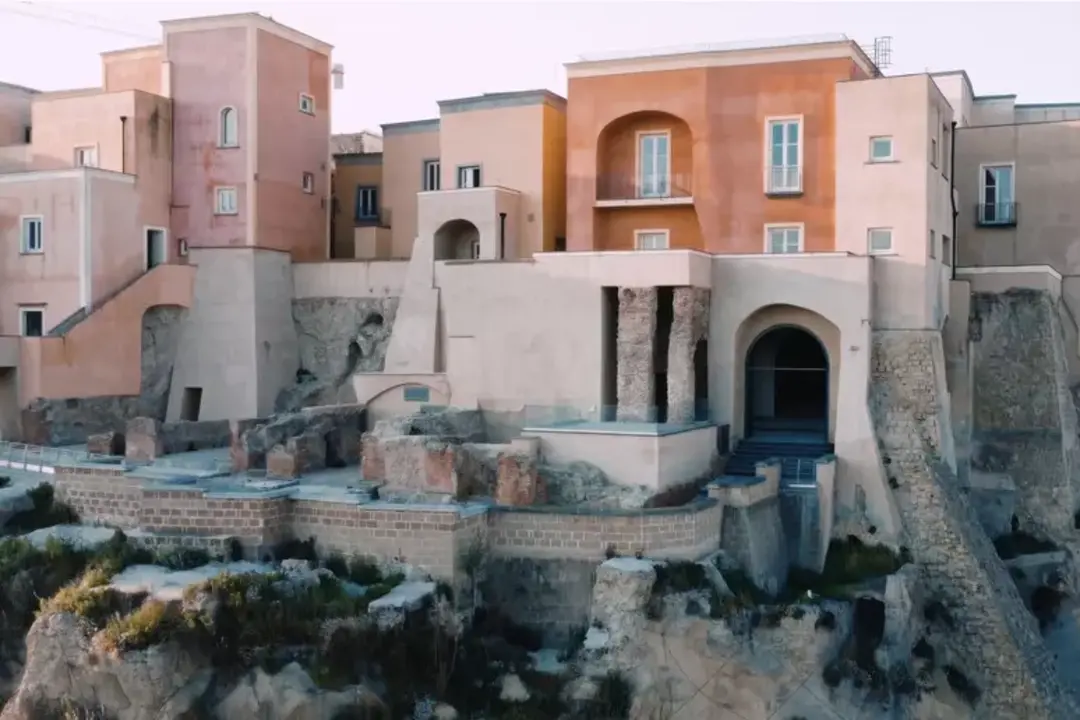
Beja, Portugal, July 16, 2026 (Lusa) - The project concerning the Roman forum at Beja has entered a new phase of study and conservation and is currently undergoing work to ensure that the archaeological structures can once again be “understood and explained”.
In a statement, the researcher in charge of the “Archaeology of the Cities of Beja” project, Conceição Lopes, explained that the Roman forum at Beja underwent “an intervention that profoundly altered the conditions for scientific and heritage interpretation” and that, at present, the work currently underway is serving to prepare the “essential conditions so that the archaeological structures can once again be understood and explained”.
According to Conceição Lopes, the team from the Centre for Studies in Archaeology, Arts and Heritage Sciences at the University of Coimbra (CEAACP/UC) is “documenting the changes observed” and recovering the “information still available”.
“This marks a new stage in the study and appreciation of one of the city’s most important archaeological sites and a key location for understanding Pax Iulia, the capital of one of the three administrative divisions of the Roman province of Lusitania,” she explains.
Conceição Lopes goes on to say that, as a result, the “complexity of the remains” and the “current conditions of the site” mean that visits can “only” be carried out “on a scheduled basis and accompanied by the project team” in order to “ensure a scientifically rigorous interpretation of the site and provide visitors with a coherent understanding of the various phases in the history of this central area of the city”.
“The scheduled visits also include the Beja Mint, linking the remains of the Roman forum with the later history of this urban space,” she added.
According to the researcher, preparing the archaeological site for guided tours represents “a first step towards making an archaeological heritage of exceptional significance accessible” and to strengthen “its integration into the city’s cultural, educational and tourist life”, which “will be fully realised upon the site’s permanent opening to the public and the establishment of the Beja Roman Museum on the premises of the Centre for Archaeology and Arts”.
When contacted by Lusa, Vítor Picado, the Beja City Councillor responsible for Culture, said that the site was expected to open to the public free of charge in “September/October”, with the city expected to have “a Roman forum open to visitors and a functioning Roman museum within two years”.
According to Conceição Lopes, the excavations carried out at the site have revealed “a long and complex historical sequence, with remains predating the Roman city and important structures belonging to the different phases of the forum’s development”.
“Among the places identified are the temples built during the reigns of Augustus and Tiberius, as well as the large reservoirs surrounding them, hydraulic structures and other features that are essential for understanding the organisation and transformation of the monumental centre of Pax Iulia,” she said.
ASYS/ADB // ADB.
Lusa