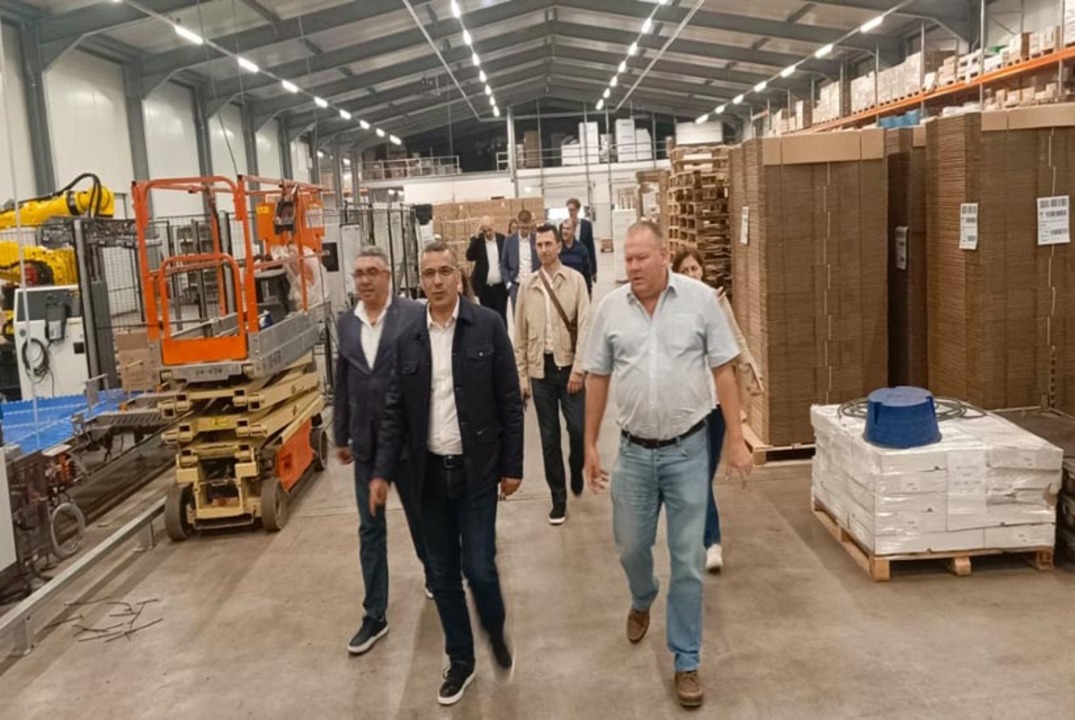
Santa Maria da Feira, Portugal, June 18, 2026 (Lusa) - Gazcorp, a company based in Santa Maria da Feira in Portugal, has announced that it will begin construction in July of a plant in São Tomé and Príncipe to fill bottles with gases such as propane, ensuring the country will be self-sufficient in place of its current imports.
The information was disclosed to Lusa by Nuno Andrade, director of the Portuguese plant, which was founded in 2023. On Friday, the plant will host Sao Tome’s minister of economy and finance, Gareth Guadalupe, for a tour of the facilities and to finalise the administrative details of the partnership.
“At present, there is no filling of liquefied gases in Sao Tome,” stated Nuno Andrade. “All these products are imported; there are constant supply shortages and a large proportion of households still use old petrol and kerosene burners for cooking,” he added.
The new plant will bring about two major changes: “The gases will be available in European-style cylinders, which are much safer and lighter, and, by the end of 2027, the supply will be 100% local, ending Sao Tome’s dependence on imports.”
The partnership between Gazcorp and the Sao Tome government, which has been in the pipeline for two years following contacts established during a business mission to several Portuguese-language countries, is set to involve an investment of around €2 million, he said.
Nuno Andrade added that the final contributions from each party have not yet been determined, but he anticipates that, using only its own funds, Gazcorp will provide “around 80% of the investment” to ensure it holds a majority stake in the factory.
As for the construction project, it is planned for a 5,000-square-metre plot in the industrial zone of the city of Sao Tome, the country’s capital, and is due to be completed by the end of 2026, with operations set to begin in early 2027.
“It’s a quick build because the building is small and simple, and the gas tanks are being sent there ready-made – they just need to be installed outside,” he explained.
The situation regarding human resources is more complex, as, according to the Portuguese businessman, the project requires the creation of 10 new jobs and there are no staff in Sao Tome who are suitably qualified for the role.
The recruitment process will therefore require 15 days of intensive training in Portugal at Gazcorp’s facilities, followed by further on-the-job training in Africa at the future plant, which will initially operate only on propane and oxygen but plans to expand to other gases later, he added.
Speaking to the Sao Tome press in mid-June, Minister Gareth Guadalupe stated, “Gas is something I consider extremely important for the country. At the moment, you may see queues to fill domestic cookers with petrol (…), but we have already identified a partner to supply us with gas at a much lower price.”
Placing the project within the context of his government’s decarbonisation plan, the minister noted that supply disruptions have been exacerbated by the war in the Strait of Hormuz and added: “We want to move away from kerosene and jet fuel, and the gas filling plant will ensure that the domestic market is fully supplied, at a much lower price than we have today”.
The necessary adaptations for the use of propane are also being studied through negotiations with importers of domestic appliances to increase the supply of cookers similar to those in Europe at reasonable prices. “This will enable households with lower purchasing power to buy them and make the transition to gas,” the minister concluded.
AYC/ADB // ADB.
Lusa