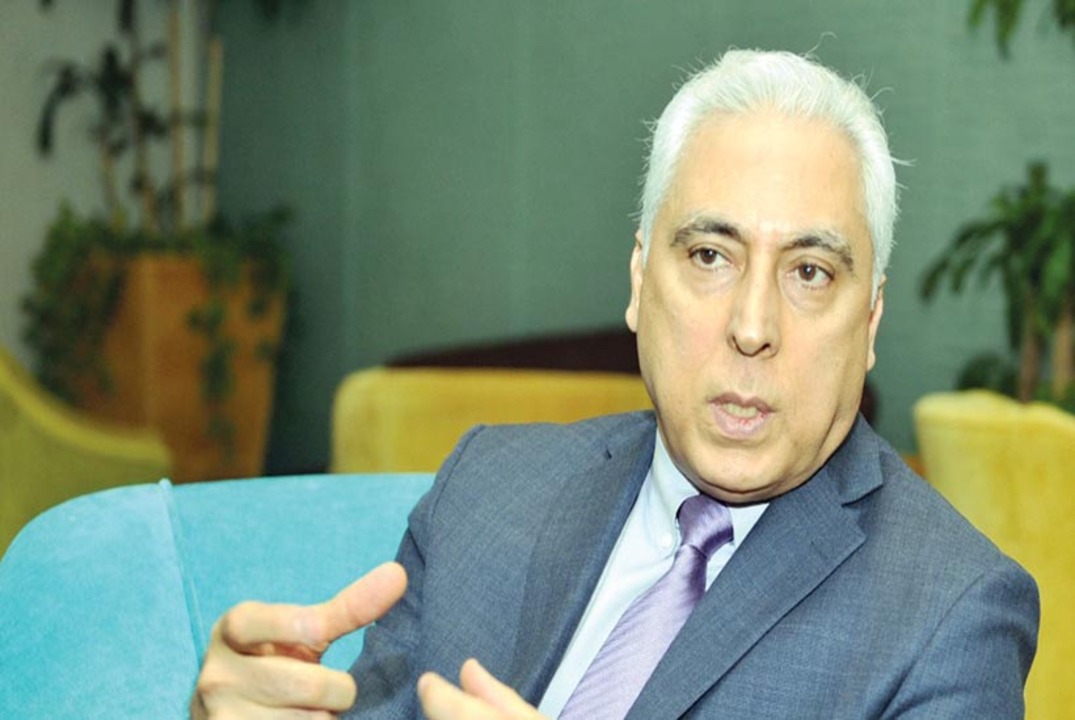
Maputo, June 2, 2026 (Lusa) - Mozambique’s minister of planning and development, Salim Valá, highlighted South Korea’s experience and investment in production on Tuesday in Seoul, calling for support for the local processing of ores to boost the sector in Mozambique.
“We have identified four priority areas for deepening cooperation with Korea,” Valá said, responding to questions from the plenary during a panel discussion at the Korea-Africa Business Forum 2026 taking place in Korea, immediately highlighting the priority of critical minerals, of which Mozambique has reserves of nine different types.
“Through investments focused on local processing and the creation of added value, particularly in supply chains linked to batteries, renewable energy and advanced technologies,” he noted, at a time when the Mozambican government has approved legislation that will require the local processing of resources extracted in the country.
“Secondly, energy, through partnerships in renewable energy, energy transport and distribution infrastructure, natural gas-based industries and solutions that contribute to universal access to electricity. Thirdly, industrialisation, through the development of special economic zones, industrial free zones, industrial parks, logistics hubs and production units integrated into regional and global value chains,” he listed.
The minister added human capital as the fourth priority in relations with Seoul: ‘Through technical and vocational training, scholarships, engineering training, digital skills and institutional strengthening’.
Valá highlighted the “recognised expertise” of South Korean companies in the fields of batteries, electric vehicles, energy infrastructure, industrial technology, as well as engineering and technical training, considering the country “a key partner” in this journey of energy transformation and in the processing of critical ores for Mozambique.
During the session, the minister outlined Mozambique’s potential, noting that the country possesses nine of the 12 critical minerals listed globally, highlighting, among others, graphite, lithium, rare earths, tantalum, niobium and titanium, which he considered “fundamental” for batteries, semiconductors, renewable energy, the aerospace industry and advanced technologies.
"[The country] has exceptional conditions to integrate into the global supply chains associated with critical minerals, particularly batteries, electric mobility, clean technologies and renewable energy," he emphasised.
He explained that it is a priority for the Mozambican government to transform critical minerals through local processing, industrialisation, technology transfer and ownership, and above all, the development of national skills, the creation of more quality jobs and inclusion.
"For Mozambique, shared growth means building partnerships that combine the country’s natural resources with Korea’s technology, industrial capacity and investment expertise, creating value locally whilst simultaneously contributing to the resilience of global production and distribution chains," added Salim Valá.
In addition to establishing partnerships with South Korea across various development sectors, the minister acknowledged the need to forge “strong partnerships” with African countries such as South Africa, Nigeria and Angola, which “have significant experience in these areas”.
"Together, we can build a partnership that goes beyond the simple extraction and trade of resources, transforming it into a platform for industrialisation, innovation, the creation of quality jobs and the promotion of sustainable economic development, which benefits both parties," he added.
VIYS/ADB // ADB.
Lusa