Lisbon, June 2, 2026 (Lusa) - IATA does not foresee a shortage of aviation fuel in Europe this summer, despite earlier warnings of possible cancellations, but acknowledges that challenges may arise if the energy crisis drags on and anticipates pressure on ticket prices.
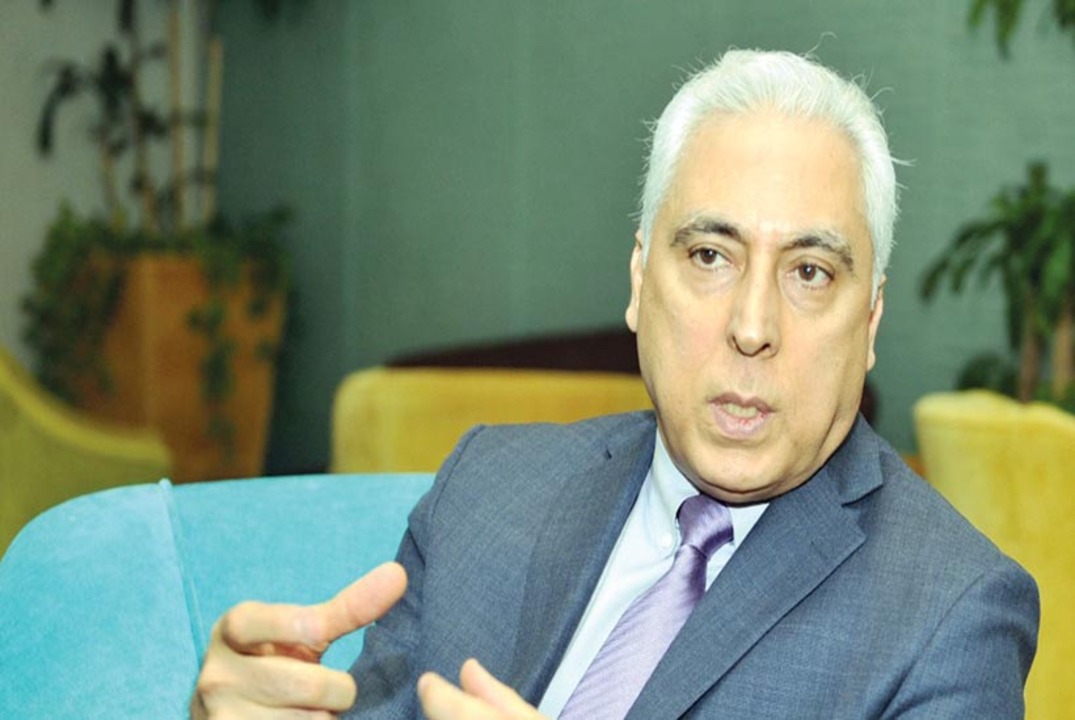
"For now, it looks as though the summer will go smoothly in terms of access to fuel supplies," Rafael Schvartzman, the International Air Transport Association’s (IATA) regional vice-president for Europe, told Lusa.
In an interview, he emphasised that the current assessment points to “sufficient capacity in Europe for the summer”, although forecasts have a limited timeframe.
“The forecast or assessment is reliable over a four- to six-week horizon. Therefore, we are constantly assessing the situation with our team, but also with fuel suppliers,” he explained.
In April, IATA had acknowledged the possibility of cancellations in Europe until the end of May should constraints on aviation fuel supplies worsen, against a backdrop of pressure on international supply chains and uncertainty linked to the conflict in the Middle East.
Asked whether that risk had materialised, he replied that, "at this stage", the situation had improved compared to the initial period of greater uncertainty.
"At the start of the conflicts in the Middle East, there were obviously high levels of uncertainty. There are some aspects that, shall we say, have improved," he said.
Among these aspects, he highlighted the possibility of using aviation fuel from the United States, where Jet A is predominantly used, which is similar to Jet A-1, the standard in most international operations, although with technical differences, particularly regarding the freezing point.
“EASA [European Aviation Safety Agency] has already issued a safety information notice providing guidance on the use of Jet A from the US,” he said.
Rafael Schvartzman added that the United States, as an exporter, has the capacity to supply fuel from the East Coast, but indicated that, as far as he is aware, this solution has not yet been necessary.
“As far as I know, there has not yet been a need to import Jet A. But this is probably a variable being considered for the future,” he stated.
According to him, this alternative may be considered if successive assessments point to greater supply difficulties, particularly towards the end of the year.
"Potentially in the last quarter of the year, there could be some shortages," he said, noting that "it is still too early to say" whether such a scenario will materialise.
"It may be necessary to import some Jet A to compensate or to ensure there is sufficient fuel," he added.
Regarding the difference between the April warnings and the current assessment, he pointed to the existence of mandatory reserves in the European Union and the adaptation of some countries with refining capacity.
“There is a reserve obligation in the EU, and that undoubtedly helps,” he stated, noting that some countries have also managed to increase their Jet A-1 production volumes.
“Spain is relatively well-positioned in terms of refining capacity,” he explained, adding that this capacity could help supply other European countries.
Although it has, for now, ruled out the risk of a fuel shortage this summer, IATA warns of the impact of rising costs on airfares.
Rafael Schvartzman said that fuel, which previously accounted for around 25% to 30% of airlines’ operating costs, now accounts for over 40%.
“Today, we estimate that this share is above 40%, and could reach 45% or 46% of operating costs. Therefore, this will definitely have a direct impact on prices,” he said.
He acknowledged that part of the increase could be absorbed by the airlines, notably through risk hedging mechanisms, but warned that the effect on ticket prices is inevitable.
"This will definitely affect ticket prices," he said, adding that the impact is expected to be "more long-term than short-term".
Asked whether prices are already rising, he replied: "I think they are already rising. Probably, yes."
In addition to fuel, strong demand for the summer is also putting pressure on prices, particularly for European destinations, according to Rafael Schvartzman.
“Instead of travelling to the Far East or taking long-haul flights to Asia, many are deciding to stay within Europe,” he said.
For passengers who have already booked holidays in Europe, Rafael Schvartzman offered a message of reassurance, though with a call for preparedness.
“I wouldn’t be worried,” he said. “Of course, you need to stay well informed,” he recommended.
According to IATA’s regional vice-president, passengers should follow updates from airlines and airports, check flight status before heading to the airport, and be prepared for busier terminals during peak periods.
He also highlighted the need for particular attention from passengers from outside the European Union, due to the implementation of the new EU Entry/Exit System (EES), which replaces passport stamps with digital records and may increase processing times at border controls.
“It is important that the authorities keep passengers well informed,” he said, insisting that, despite capacity and border challenges, there is no reason to “cause panic”, and highlighting the efforts of airlines, airports, air traffic controllers and authorities to reduce the risk of disruption during the summer.
SCR/AYLS // AYLS
Lusa