Lisbon, June 2, 2026 (Lusa) - IATA believes that the greatest risk for Portugal this summer is infrastructure constraints, particularly at Lisbon Airport, against a backdrop of strong demand and increased pressure on border controls.
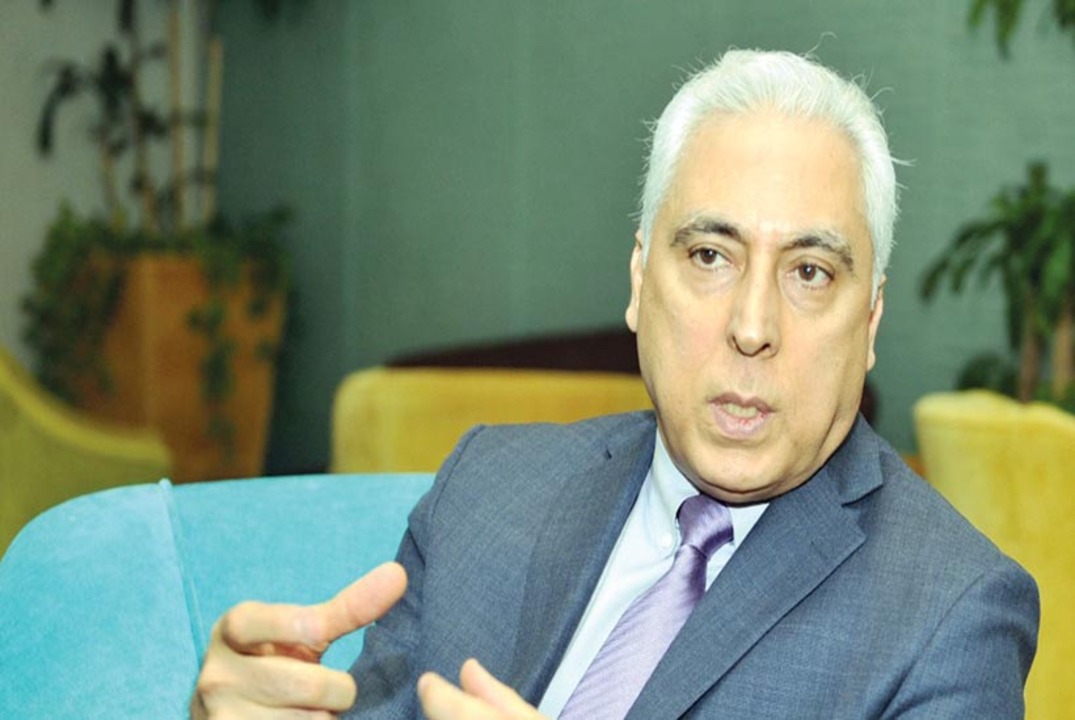
Asked about the main challenges facing Portuguese airports and airlines in the coming months, the International Air Transport Association’s (IATA) regional vice-president for Europe, Rafael Schvartzman, highlighted infrastructure limitations.
“I believe the biggest risk facing Portugal this summer is infrastructure constraints, and I am referring specifically to Lisbon Airport,” he said in an interview with Lusa.
He explained that airport infrastructure is facing capacity constraints at a time when a particularly demanding summer season is anticipated for European air transport.
“Humberto Delgado Airport is extremely limited in terms of capacity. That is clear to see,” he stated.
Rafael Schvartzman also highlighted the impact of the European Union’s Entry/Exit System, known by the acronym EES, which has replaced traditional passport stamps with digital records.
"The EES, in the specific case of Portugal, is a serious issue," he said, emphasising, however, that "across Europe, there are varying levels of severity".
"It is not something that gives us sufficient confidence that, overall, passengers will have a good experience," he added.
The new European border control system came into operation in October 2025, in phases, in Portugal and the other Schengen area countries, and has since led to longer waiting times at air borders.
To reduce queues of passengers arriving from outside the Schengen area, additional staff and technical resources for border control came into operation on Friday at Lisbon Airport.
Rafael Schvartzman argued that it is necessary to ensure “even greater flexibility” and address shortcomings that may relate to technology, infrastructure or human resources.
“These shortcomings may be technological, infrastructural or resource-related; for example, border control or border police may not have the necessary staff on the ground,” he said.
For the IATA official, the central issue is the capacity of the Portuguese airport system to absorb the expected demand.
"Certainly, the biggest issue is the capacity to absorb this demand. Currently, in Portugal, there is a problem," he pointed out, adding that the quality of service provided at Lisbon Airport falls short of what is required.
"It is clear that the quality of service being provided at the airport is not what it should be," he said.
He cited Eurocontrol punctuality data to support his criticism of the performance of Humberto Delgado Airport, which the 2025 report ranks as the worst for departures among the 30 major airports analysed, with a punctuality rate of just under 51%.
For Rafael Schvartzman, these figures reflect the airport’s difficulty in handling the current volume of traffic and have a direct impact on passengers and airlines.
According to IATA data, presented by Rafael Schvartzman at AED Days 2026 (Portugal's flagship Aeronautics, Space and Defence event) last week in Oeiras, air transport contributes US$20.2 billion (around €17.3 billion) to Portugal’s GDP, equivalent to 7.1% of gross domestic product, and supports 335,000 jobs.
The document also states that 84% of passenger departures to or from Portugal are international and that 85% of international departures from Portugal are bound for Europe.
In an interview with Lusa, Rafael Schvartzman emphasised the importance of tourism to the Portuguese economy, noting that it accounts for around 12% of GDP.
SCR/AYLS // AYLS
Lusa