
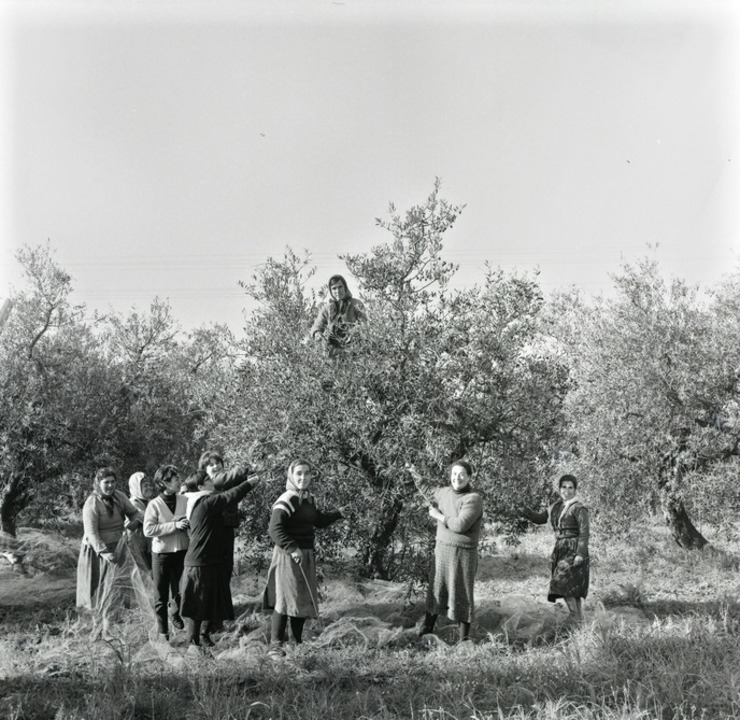
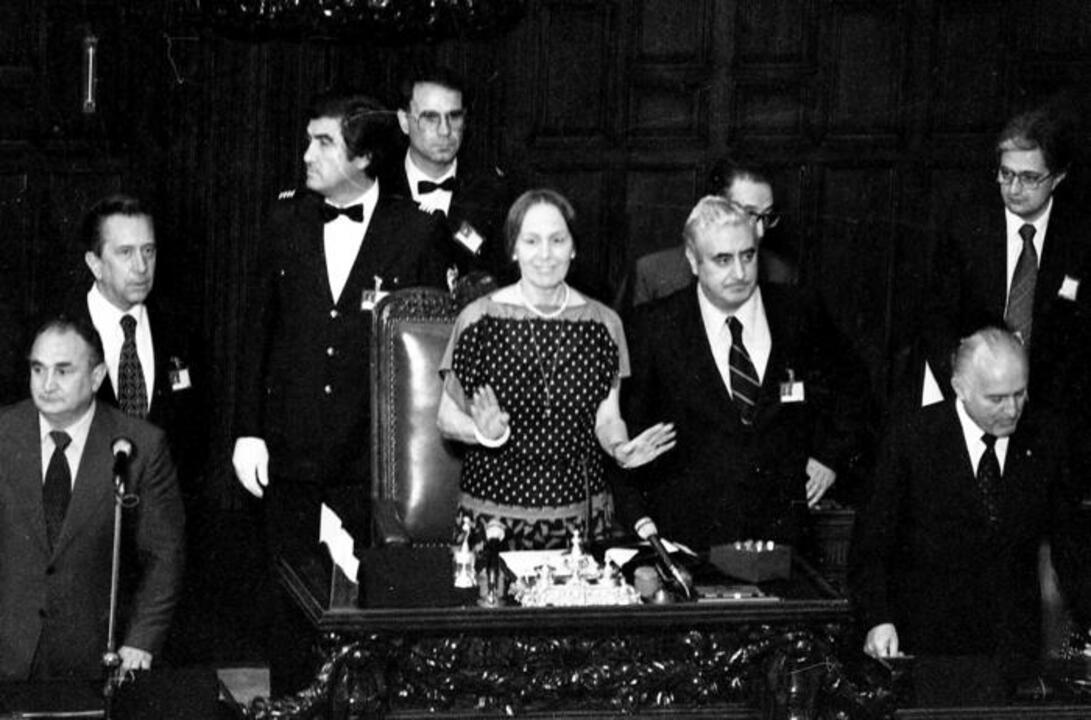
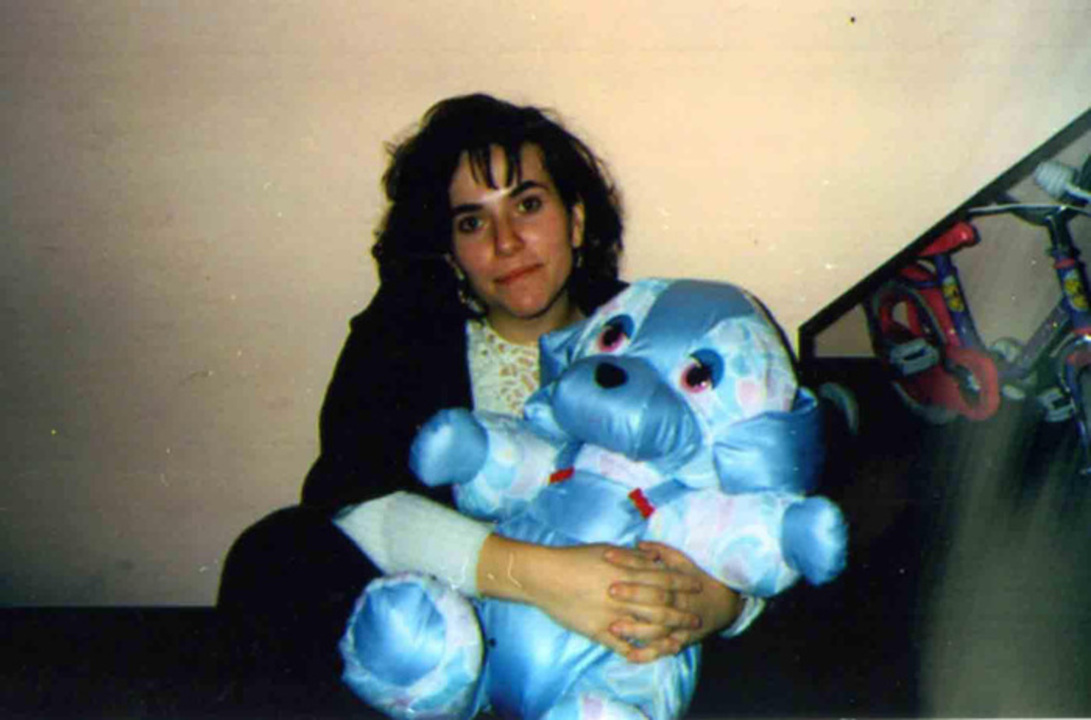
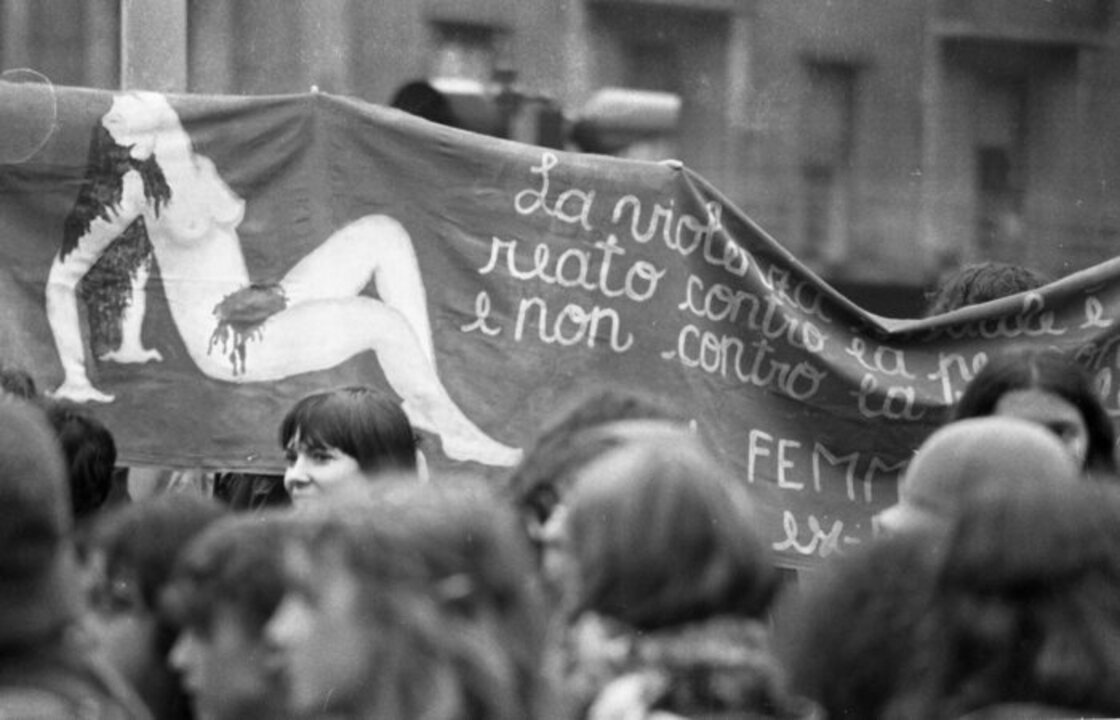

An ANSA exhibition of over 100 photos charting the path of Italian women towards ever greater emancipation and rights since the proclamation of the Republic in 1946 opens in Rome Thursday.
The show, titled "Women of the Republic.
Eighty Years of Conquests in the ANSA Chronicles. 1946 - 2026" will be open to the public free of charge until June 30 at the Vicolo Valdina Complex, located at Piazza Campo Marzio 42 in Rome.
Some 122 photographs chronicle the difficult journey of women's rights in Italy, from the first female mayors elected in 1946 to the recent passage of the law introducing the separate crime of femicide, and a hoped-for law mandating explicit consent to sex in rape cases.
Eighty years of battles, social transformations, and legislative achievements that have changed the country thanks to the commitment of 135 women: through their photos, ANSA also wants to commemorate the commitment of all those who, far from the spotlight, contributed to the march toward equality.
The exhibition will be inaugurated for the press at 11:00 a.m.
Thursday with greetings from Chamber of Deputies President Lorenzo Fontana, ANSA President Giulio Anselmi, and CEO Stefano De Alessandri.
Accreditation is required on the Chamber's website or by email at sg_ufficiostampa@camera.it.
ESA astronaut Samantha Cristoforetti will also be attending the event, interviewed by ANSA Editor-in-Chief Luigi Contu.
The exhibition will then be open to the public free of charge Monday through Friday, from 11:00 a.m. to 7:30 p.m., with last admission at 7:00 p.m. (It is closed on June 10th, 11th, 16th, 17th, 18th, 19th, 21st, and 22nd).
There will be a special opening on June 2, with online reservations at eventi.camera.it/eventionline.
The exhibition will then be held at the AuditoriumArte, Auditorium Parco della Musica Ennio Morricone, Via Pietro de Coubertin 30, Rome, from July 3rd to August 1st.
The photography exhibition is organized under the patronage of the Ministry of Foreign Affairs, the National Association of Italian Municipalities (ANCI), and the Municipality of Rome, in collaboration with Cinecittà/Istituto Luce and the Fondazione Musica per Roma, and with the participation of Fastweb/Vodafone, Q8, and Conou.
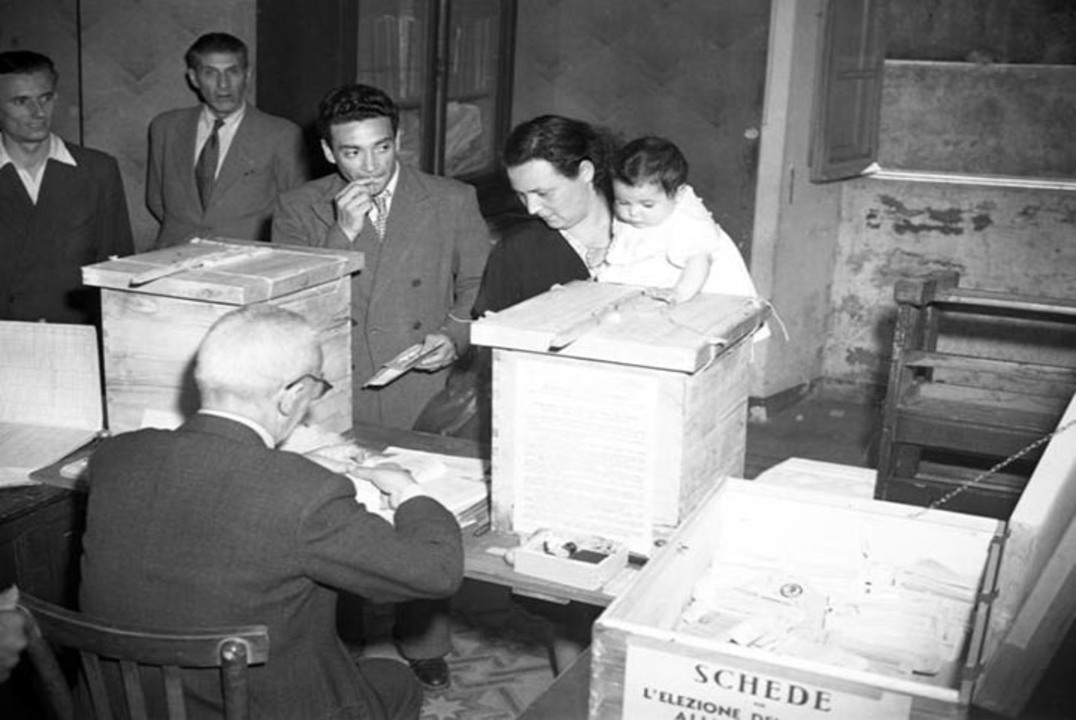
From the black-and-white shot of women finally called to the polls on June 2, 1946, to the colour one of first woman astronaut Samantha Cristoforetti, helmet in hand, ready to embark on a space mission, the show charts a long path.
In between, it marks a long, unfinished journey of struggle and victory for the recognition of women's rights.
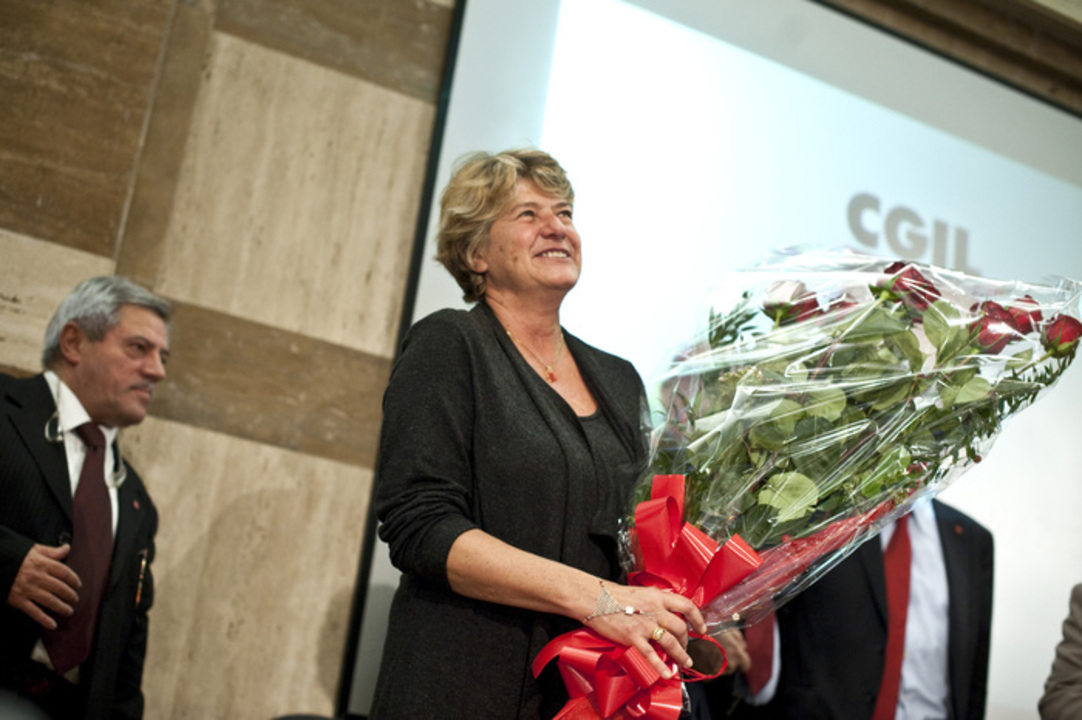
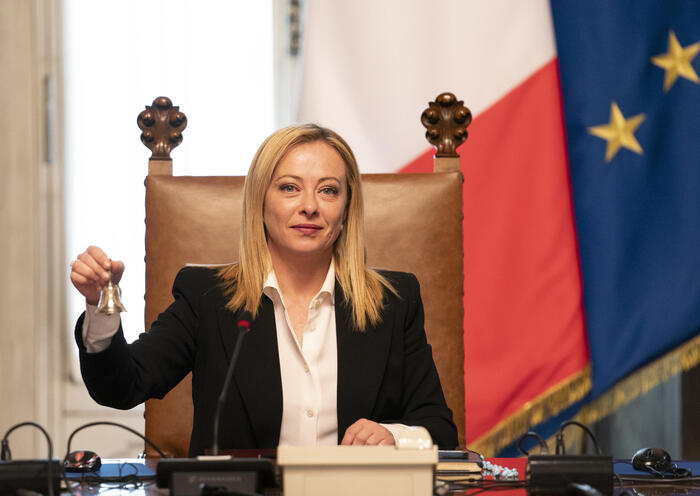
Today, a woman heads the government for the first time, and a woman also leads the largest opposition party for the first time: PM Giorgia Meloni and Democratic Party (PD) chief Elly Schlein.
It is a journey that has always been followed, step by step, by the reporters and photojournalists of ANSA, founded precisely 80 years ago, just months before the vote that changed the country's history.
The exhibition tells all this in the most immediate way possible: through images.
"Women have always been there, in our texts and in our photographs," Contu explains, "but often as supporting characters in a narrative that had other protagonists at the centre.
"The exhibition overturns this perspective.
"Women are the subject, not the background. Some faces are famous, others almost forgotten.
They all deserve to be seen and remembered today."
And so the photos from the extensive archive of Italy's leading press agency recount the achievements of famous women, but also the turning points marked by ordinary girls who decided to say no, changing the history of the country, like Franca Viola, who refused a 'reparatory' shotgun wedding, paving the way for a long debate that culminated in the abolition of that quasi-medieval article from the penal code.
And then there are the beautiful black-and-white images of the 21 women founding members of Italy's postwar anti-fascist charter assembly.
Twenty-one out of 556, who nevertheless managed to force Article 3 of the Constitution to include that phrase, linked to the principle of equality, "without discrimination based on sex."
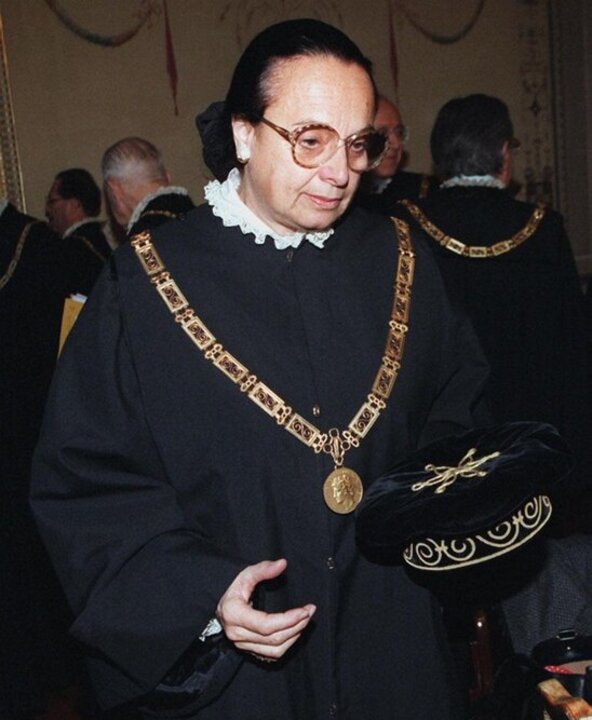
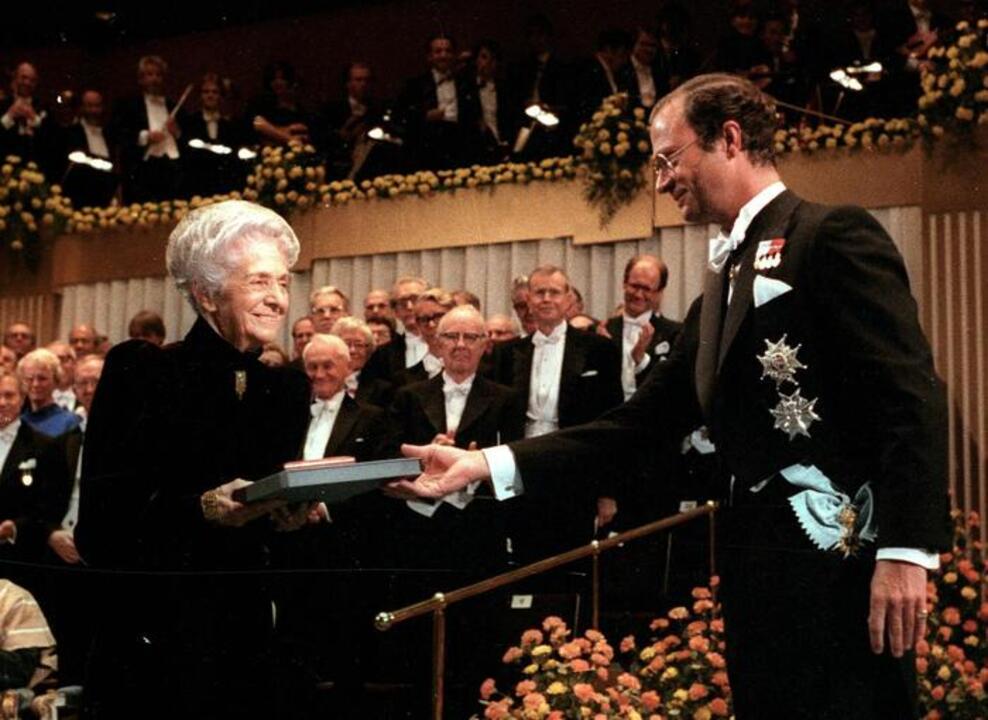
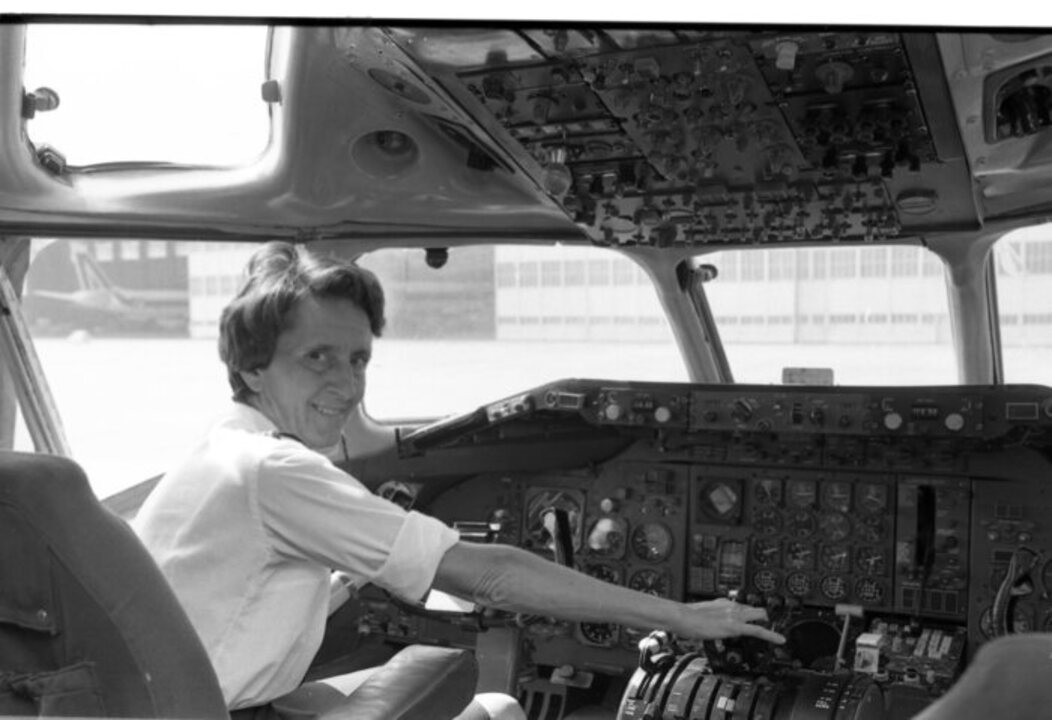
And then there are the faces of the first female mayor, the first female magistrate, the first female politician, and the first policewoman.
Many firsts have been achieved over the years in politics and institutions, not without difficulty.
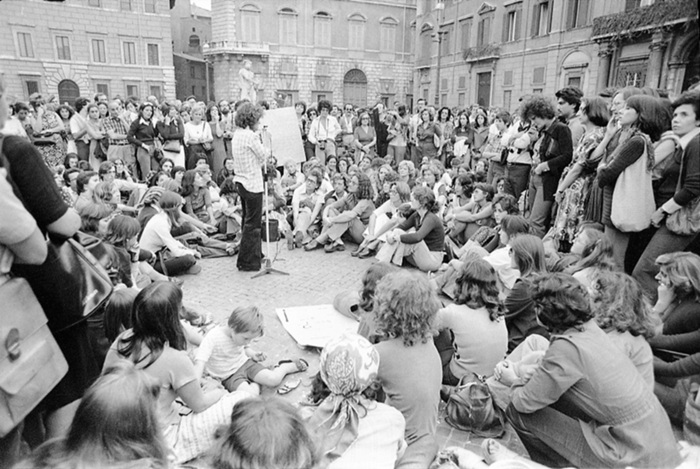
Alongside their faces are moments of struggle and protest, from the first women's demonstrations in the streets demanding the right to divorce and abortion, to those of today's girls protesting femicide, with banners that proclaimed, "I don't want to be brave, I want to be free."
Photographs, explains Professor Silvia Salvatici, curator of the exhibition, "provide a vivid image of this journey," "documenting the turning points" but also "the slow pace with which legislation is adapting to the Constitution's provisions on equality between men and women."
A series of video podcasts, available as part of the exhibition, will delve deeper into the legislative changes—from divorce to the decriminalization of abortion, the recent red code law, and the abolition of honour killings.
These podcasts include interviews with those who led the transformation of women's rights, as well as with experts who explain the key moments of change and the path still to be taken.
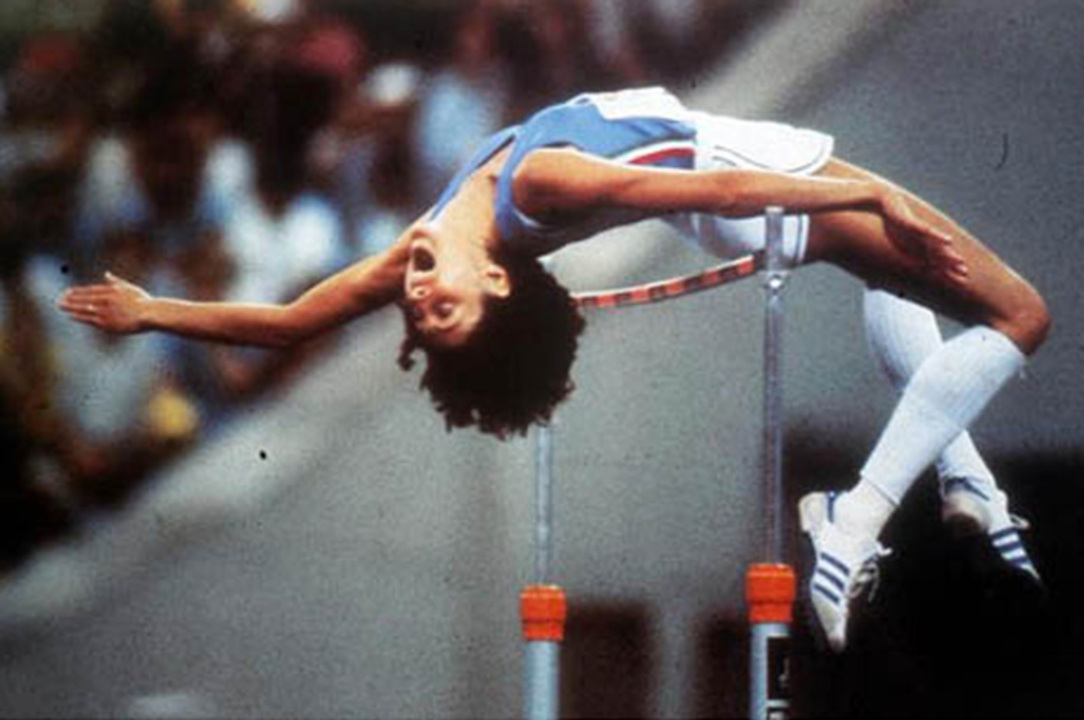
Change also occurs through social customs and culture, captured in the photographs of female athletes, artists, actresses, and professionals.
"Through the intersection of these diverse perspectives," Salvatici explains, "the exhibition offers an extraordinary interpretation of Republican Italy, shedding light on the unresolved issues of full female citizenship."
These faces and stories all have one thing in common:
"None of them," Contu emphasizes, "was content; they waited. Each had the courage to be ahead of their time, often at a price. And this is the common root of seemingly distant events, from the first woman to refuse a shotgun wedding to the first president of the Constitutional Court, from the first female miner to the first female driver of public transport. ANSA was there, every time."
ALL RIGHTS RESERVED © Copyright ANSA