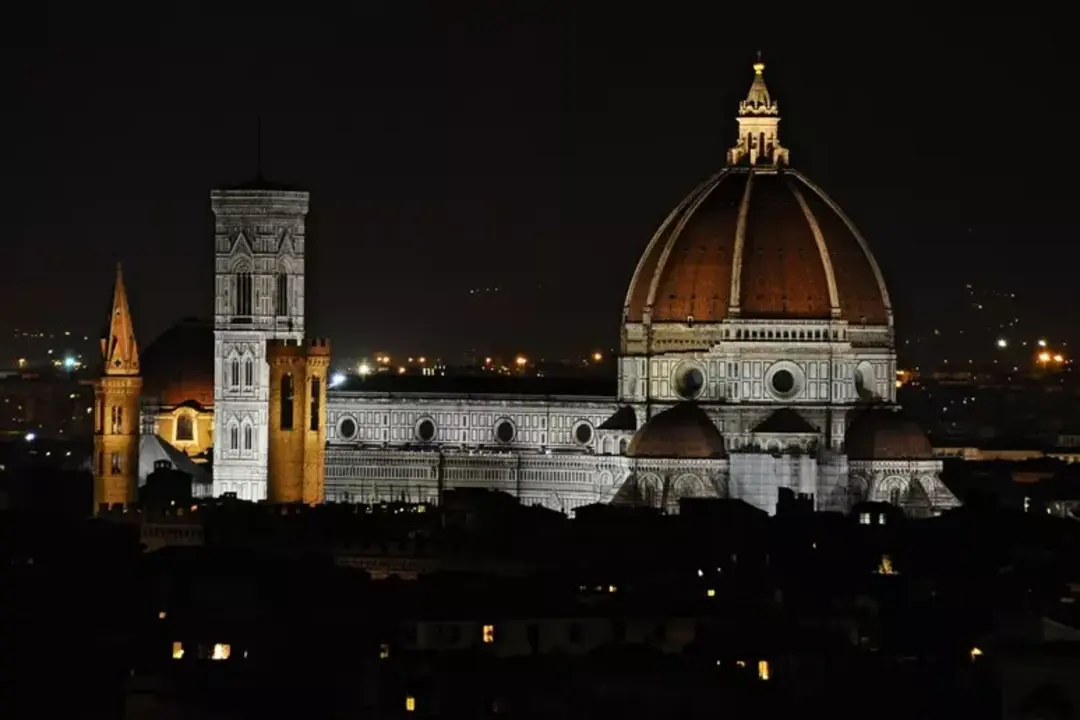
Florence is the Italian province where children live best, Bolzano takes the lead in quality of life for young people, and Trieste leads the rankings for the elderly, according to the the new edition of Il Sole 24 Ore's Quality of Life by Age Group, previewed at the Trento Economics Festival.
Trento ranks second in both the generational index for the elderly and the young people, but 13th in the index for children, according to the survey.
The employment gap is particularly significant among young people: in Taranto, unemployment among those under 35 reaches 44%, more than ten points higher than in Agrigento, while Bologna confirms its position as the university capital, with one in two young people having a university degree.
Among the elderly, Trento leads the way in home care and civic participation, while Milan has the highest average pension payments in Italy, amounting to €26,300 per year.
Bari, Naples, and Palermo stand out for their proximity services dedicated to those over 65.
The survey also captures a country undergoing profound demographic and cultural changes: the national fertility rate drops to 1.14 children per woman, the average age of new mothers rises to 32.7, and marriages have fallen to 2.8 per thousand inhabitants.
The number of people living alone is also rising (+7.9%), as is the use of antidepressants (+3.3%), while academic skills measured by INVALSI tests are deteriorating: 44% of students have inadequate numerical skills and 39.9% have inadequate literacy skills, still below pre-pandemic levels.
The new edition expands the number of territorial indicators, increasing from 15 to 20 for each generational group, for a total of 60 certified provincial statistics.
Among the main new features are local services within a 15-minute walk—pharmacies, shops, recreational and welfare services—and the presence of family or social networks that can be counted on in times of need.
Initial data reveal significant regional differences and new social signals.
In the rankings dedicated to children, Bolzano leads the country in fertility with 1.55 children per woman, while Cagliari holds the record for the presence of pediatricians but simultaneously records one of the most critical birth rates, with just 0.75 children per woman.
Milan stands out for its local services, schools with gyms, and pediatric nurses, but slips to the bottom of the list for average living space available to families (56.6 square meters).
"Today, we want to live a long life, but with quality of life.
We must therefore think more carefully about how we educate young people, how we use new technologies, how we promote adequate wages, but also about everything that allows people to feel at home.
What makes one region more competitive than others? And what should we be concerned about when we look at Italy, even in international comparison?" comments Alessandro Rosina of the Catholic University of the Sacred Heart in Milan.
ALL RIGHTS RESERVED © Copyright ANSA