Dili, April 14, 2026 (Lusa) - Timor-Leste’s petroleum minister announced on Tuesday that a new round of negotiations with Australia regarding the fundamental documents for the Greater Sunrise gas field development was set to begin on Wednesday.
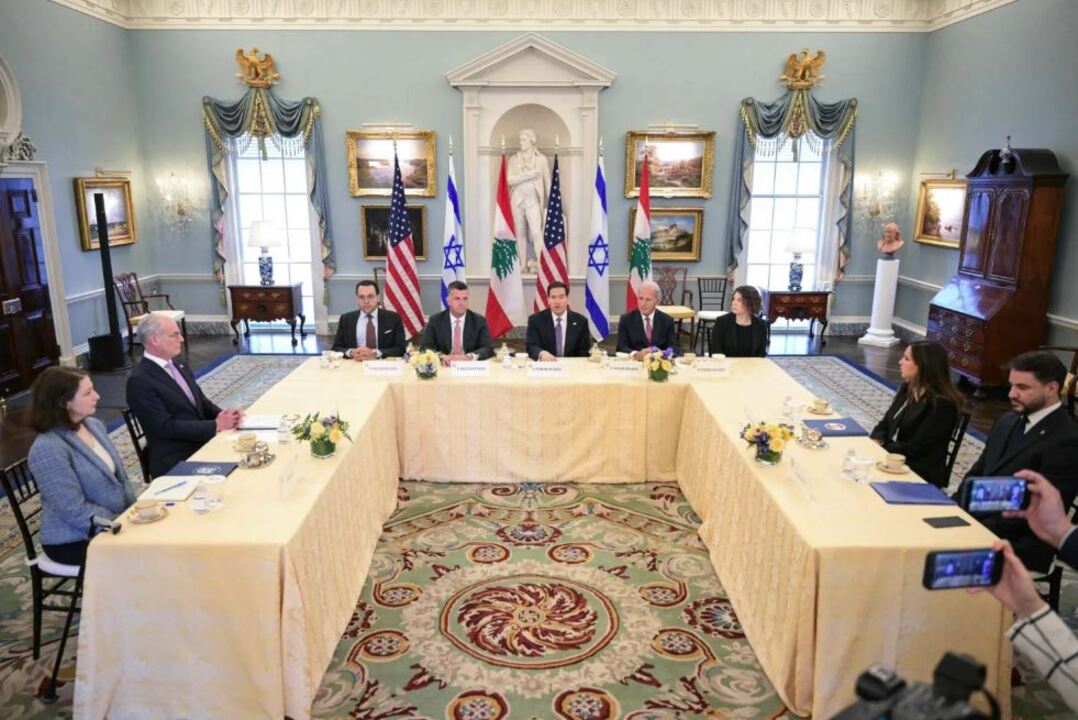
“Another round of negotiations will take place online between tomorrow [Wednesday] and Friday,” said Francisco Monteiro, following a two-hour meeting with Katrina Cooper, the Australian government’s representative for the project.
Timor-Leste and Australian representatives met in March to continue negotiations on the regulatory framework for the Greater Sunrise Special Regime Area (GSSRA), a natural gas and condensate field in the Timor Sea, having reached a joint position of principle (a viewpoint shared by multiple parties), at a technical level, on the Petroleum Mining Code.
Significant progress has been made regarding the Production Sharing Contract and the Fiscal Regime.
He said that two additional rounds of negotiations were planned for June, to be held in Canberra (Australia) and Dili, with the expectation that the documents would be finalised.
Asked whether, after June, the conditions would be in place to announce the Greater Sunrise development concept, he said that it was essential to finalise those three documents beforehand, which constitute the necessary legal frameworks.
Only then, he added, would the companies involved submit the field development plans for the two states to decide.
Located 150 kilometres from Timor-Leste and 450 kilometres from Darwin, the Greater Sunrise project has been deadlocked, with Dili advocating the construction of a gas pipeline to the south of Timor-Leste and Woodside, the consortium’s second-largest partner, favouring a connection to an existing facility in Darwin.
The consortium consists of Timorese company Timor Gap (56.56%), operator Woodside Energy (33.44%) and Osaca Gás (10.00%).
The deadlock led the joint venture to commission a conceptual study by the British firm Wood, which confirmed the viability of developing the Greater Sunrise field in Timor-Leste.
“The Timor-Leste Liquefied Natural Gas [TLNG] option stands out for its lower operating costs and, by enabling better overall direct and indirect returns for Timor-Leste, will have a major socio-economic impact on the country,” Timor-Leste’s government said.
The permanent maritime boundary agreement between Timor-Leste and Australia stipulated that Greater Sunrise, a shared resource, would be divided, with 70% of the revenue going to Timor-Leste if a pipeline to the country is built, or 80% if processing takes place in Darwin.
MSE/MYAL // ADB.
Lusa