Lisbon, March 18, 2026 (Lusa) – The new strategic plan for the National Financial Education Plan includes the introduction of a course or modules on financial literacy in higher education, aimed at equipping future teachers to lead classroom discussions on the topic.
"The idea is to develop training content for undergraduate degrees. It hasn’t been fully decided whether this will be a mandatory subject, an elective, or a series of seminars", Francisca Guedes de Oliveira, a board member of the Bank of Portugal, told Lusa, adding that the final framework must be coordinated with the Ministry of Education.
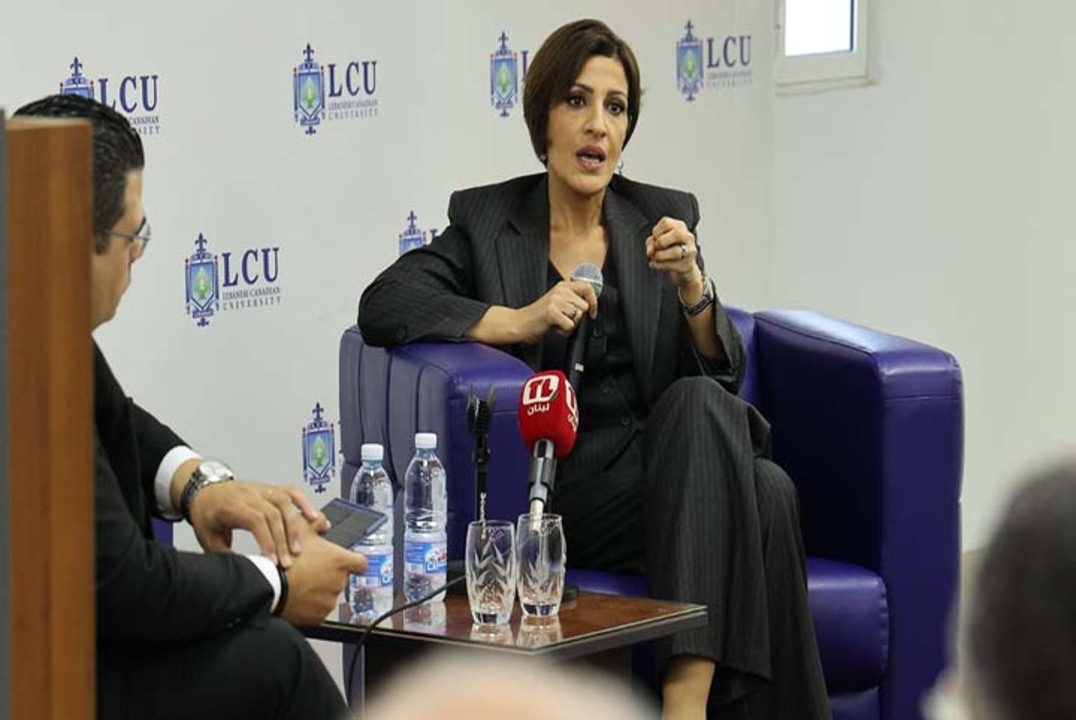
The Board Member of the Bank of Portugal, Francisca Guedes Oliveira, the Vice-President of the Securities Market Commission Inês Drumond, and the Board Member of the Insurance and Pension Funds Supervisory Authority Diogo Alarcão, detailed in an interview with Lusa the strategy plan for the National Financial Education Plan for 2026–2030.
Besides trainee teachers, the new five-year plan foresees more financial literacy for active teachers, enabling them to teach this module within a citizenship course and training sessions aimed at basic and primary education students.
Financial supervisors are also working on new teaching materials for the citizenship course, they told Lusa.
In response to criticisms that these programmes focus too narrowly on money management (savings, budgeting, consumption), ignoring systemic issues such as poverty (such as the recourse to credit due to insufficient wages), inequality and functioning of the financial system, Francisca Guedes Oliveira replied that in these subjects, a comprehensive discussion before moving on to more specific topics, is included.
"For example, when we talk about saving, we cannot talk about saving without talking about generating income. There is always a very integrated perspective”, she said.
She explained that the content maintains a "permanent focus on behaviour", teaching students to distinguish between "what is superfluous and what is essential".
“Therefore, there is a whole behavioural and contextual aspect which is much broader than just the objective content, which is, perhaps, what is set out in the textbooks,” she added.
As for whether financial literacy content places too much emphasis on the individual, blaming people for their lack of literacy when things go wrong, absolving the system of responsibility, Diogo Alarcão said that the goal is not to stigmatise, but to "to empower people by giving them autonomy and the ability to make decisions", acknowledging that the financial system is complex and characterised by information asymmetry between individuals and institutions/companies.
"Financial literacy is not an end in itself. Financial literacy will lead to certain behaviours, and these behaviours will enable people to make the right choices at the right time,” he said.
When asked whether the content aimed at students addresses the issue of ‘influencers’ and the financial investments they promote, which are often misleading, they said that the content focuses on concrete concepts, but Inês Drumond acknowledged that it might make sense to include this issue.
In addition to financial literacy training for young people, in the next five years, financial supervisors will continue to promote financial education programmes aimed at adults, particularly those focused on training vulnerable groups (poor, unemployed, immigrants, and elderly).
The National Financial Education Plan, launched in 2011, is a joint initiative of the National Council of Financial Supervisors (Bank of Portugal, Insurance and Pension Funds Supervisory Authority, and Securities Market Commission) aimed at improving the population's financial literacy. Financial literacy refers to the ability to make informed decisions about money management.
According to a study by the Bank of Portugal, published this week, Portugal’s levels of financial literacy are close to the average for eurozone countries, but women and citizens with lower levels of education and income fall below that benchmark.
IM/MYAL // ADB.
Lusa