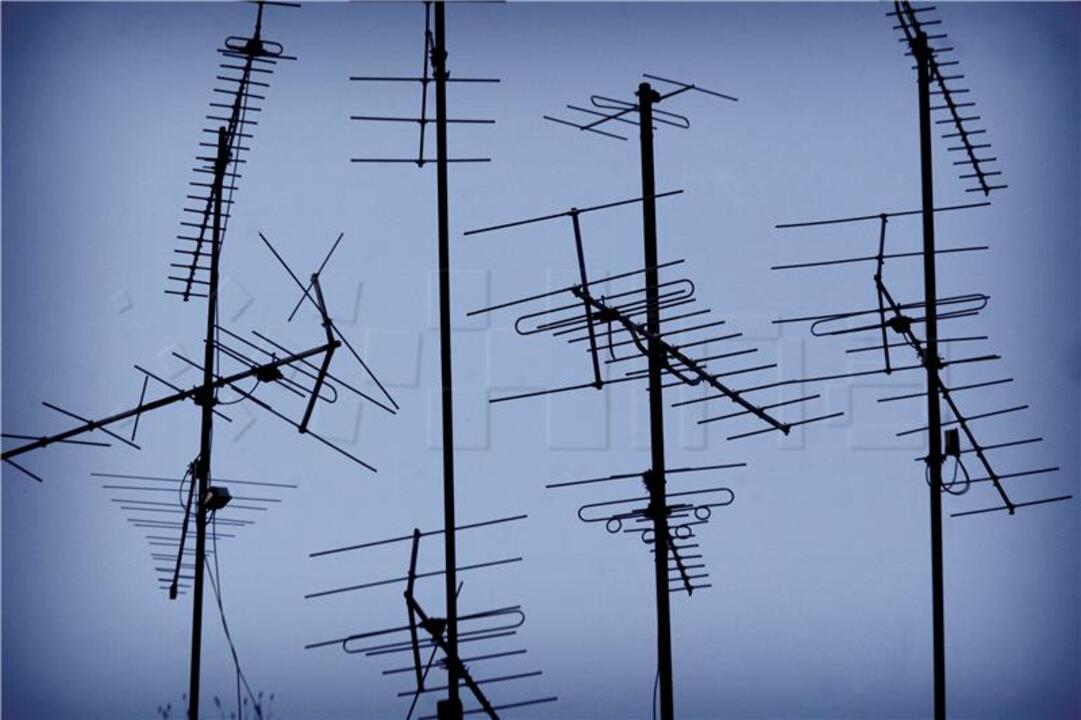
ZAGREB, 13 Feb (Hina) - Radio remains a trusted medium in Croatia and the one that polarises society the least, the Agency for Electronic Media (AEM) and the Croatian Association of Radio Broadcasters (HURiN) said on World Radio Day, marked on 13 February.
The regulator noted that its most extensive and most cited analysis of the Croatian radio market dates back to 2015, but that numerous studies over the past decade point to high public trust in radio. While there are no recent nationally representative public surveys quantifying how users assess radio as a source of information, Eurobarometer media surveys and the Reuters Digital News Report show radio and television continue to rank highly as trusted sources compared with the internet and social networks.
Public radio and television in Croatia are among the most credible sources for a large share of respondents. However, the regulator warns of a decline in using radio for information, especially among younger generations, for whom it is increasingly just background sound.
Critics have also raised concerns about so-called jukebox or feelgood radio formats that prioritise music and light content over news, although no relevant research has yet examined the issue. Experts further warn that Croatia, as a relatively small market, has a high number of active stations and sustained interest in launching new ones.
According to the AEM, 164 radio media services are registered in Croatia, in addition to three national and eight regional channels operated by the public broadcaster. In the past year alone, 35 radio concessions were granted. Although there are annual enquiries about launching new stations, there are generally no available internationally coordinated frequencies.
The regulator says Croatian broadcasters, particularly local ones, should develop a comparative advantage in producing content of public and local interest, including local news and service information.
Željko Švenda, head of HURiN, which brings together 69 broadcasters -- 90% of them local stations -- said Croatia has more than 160 radio stations, including 18 non-profit, seven digital (DAB+) and 127 commercial FM stations. With 128 towns in the country, nearly every town has at least one station, making radio a key and trusted local source of verified news.
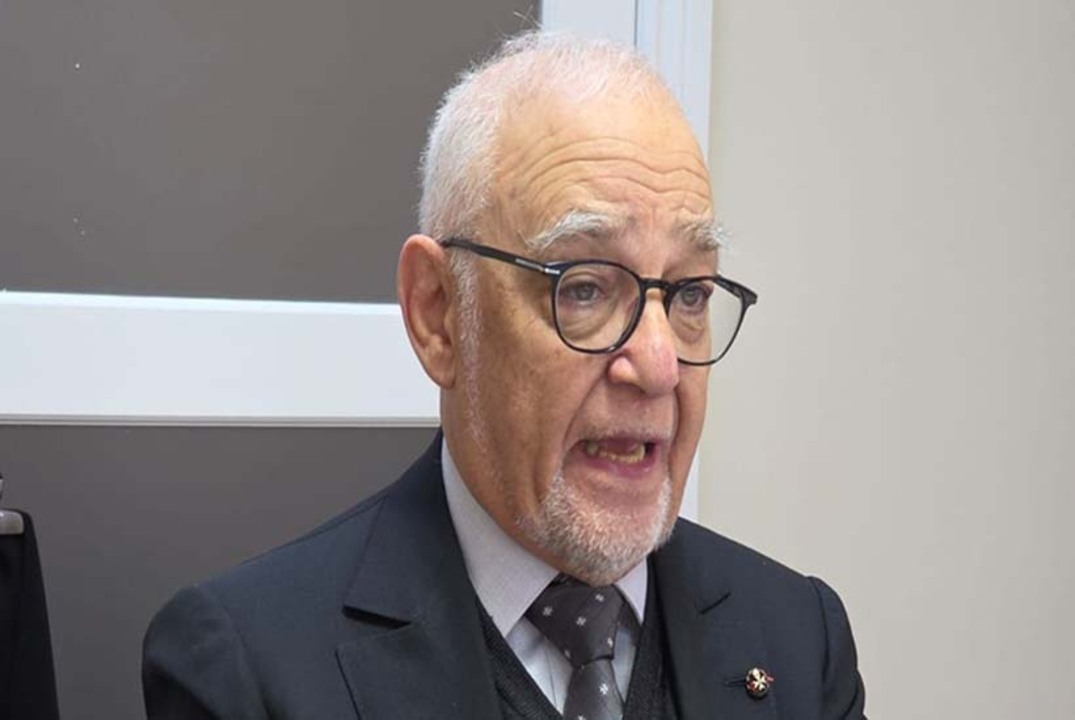
Referring to remarks by AEM director Josip Popovac that radio is the medium that least polarises society, Švenda said: "We wake up, work and drive with radio. There is no hate speech or fake news on radio. But radio is overregulated, and that is a burden."
He criticised the concession system and co-financing from the Fund for the Promotion of Pluralism and Diversity of Electronic Media, arguing that although the 2021 Electronic Media Act extended concessions to 20 years, they should be automatically renewed if broadcasters comply. He said amendments to the law are at least three years overdue and called for equal market conditions with other media.
Programmes are co-financed on average with around 25% of resources from the Fund, he said, adding that radio receives the least funding among media while delivering the most content. He called for urgent deregulation of media that "do not create problems" and swift tenders to modernise and digitalise equipment.
Digital DAB+ radio, however, has failed to take off in Croatia. Denis Murković, head of the digital journalists' section of the Croatian Journalists' Association, said there are currently nine DAB stations nationwide, three of them local.
After the closure of Radio Nacional, the only national digital station, the section last year called for a public awareness campaign, especially on the public broadcaster, to promote digital radio and receivers, temporary exemption from digital concession fees until equal market conditions with FM stations are ensured, a parliamentary debate on a national digital strategy, and access to public funding for digital stations.
"We have received no official response and no progress has been made on any point. It is therefore clear that DAB radio currently has no future in Croatia," Murković concluded.