Lisbon, Feb. 11, 2026 (Lusa) - The parliamentary leader of the Portuguese Socialist Party (PS) on Wednesday considered it regrettable that the interior minister resigned at a time when the country is facing a difficult situation in the wake of storms and when the Government has to take responsibility.
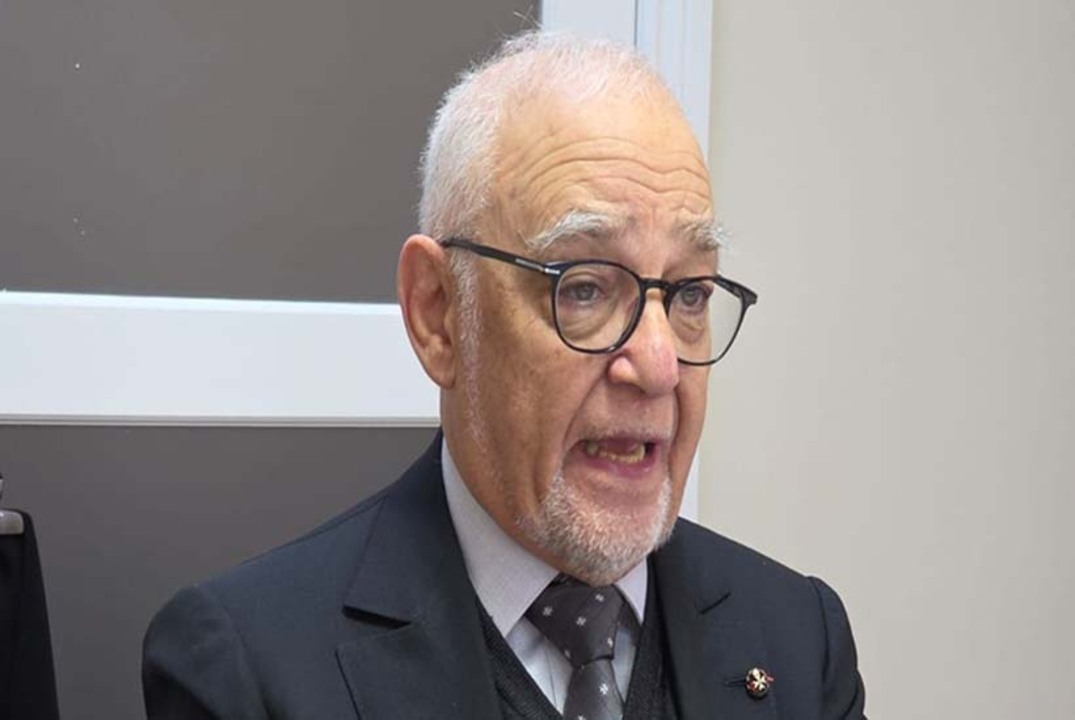
This position on the resignation of Maria Lúcia Amaral from her duties as interior minister - a portfolio that will be temporarily taken over by Prime Minister Luís Montenegro - was taken by Eurico Brilhante Dias in parliament, in statements to journalists.
"We are living in strange times. In the midst of a crisis, we have the resignation of a government minister who is responsible for civil protection," said the leader of the Socialist Party.
According to Eurico Brilhante Dias, there will be time to make a political assessment of the performance of the former interior minister and the choices made by Luís Montenegro for this government portfolio.
However, "in the midst of this great storm, or this succession of storms," the leader of the socialist bench considers it incomprehensible "that a member of a sovereign body should leave office when what is asked of members of sovereign bodies, and in particular the Government, is that they assume their responsibilities and collectively face this difficult moment."
Eurico Brilhante Dias then sought to contrast the current situation with the way the second government led by Socialist, António Costa, reacted to the Covid-19 pandemic - a situation marked by "great adversity".
"It was then time to show that we were leading this country and that the Portuguese people could count on us. Now, it is regrettable that this has happened in the midst of this emergency," he insisted.
Eurico Brilhante Dias then emphasised the argument that, "in the midst of a severe storm and the current emergency situation, a politician must remain in office until the end and must carry out the tasks entrusted to them."
"Leaving in the circumstances we are experiencing, on Tuesday night, I think this is the first time I have seen a member of the Government leave in the midst of such a difficult situation," he added.
In his opening remarks, Eurico Brilhante Dias left a message of solidarity to the citizens "who in the country, and in particular in the centre region of Coimbra, are today experiencing moments of great uncertainty".
The Socialist parliamentary leader expressed concern about the possibility of one of the Mondego River's dykes giving way and flooding an important area of Coimbra".
On Tuesday night, the Coimbra city council took the preventive measure of evacuating around 3,000 people due to the risk of the Mondego River banks collapsing.
In the Coimbra region, several areas in the district, mainly in the lower Mondego, have also been hit by severe flooding in recent days.
Fifteen people have died in Portugal since 28 January as a result of the Kristin, Leonardo and Marta storms, which have also left many hundreds injured and homeless.
The total or partial destruction of homes, businesses and equipment, the fall of trees and structures, the closure of roads, schools and transport services, and the cutting off of power, water and communications, floods and extreme rainfall are the main material consequences of the storms.
The Central, Lisbon and Tagus Valley and Alentejo regions are the most affected.
The Government has extended the state of emergency until Sunday for 68 districts and announced support measures worth up to €2.5 billion.
PMF/AYLS // AYLS
Lusa