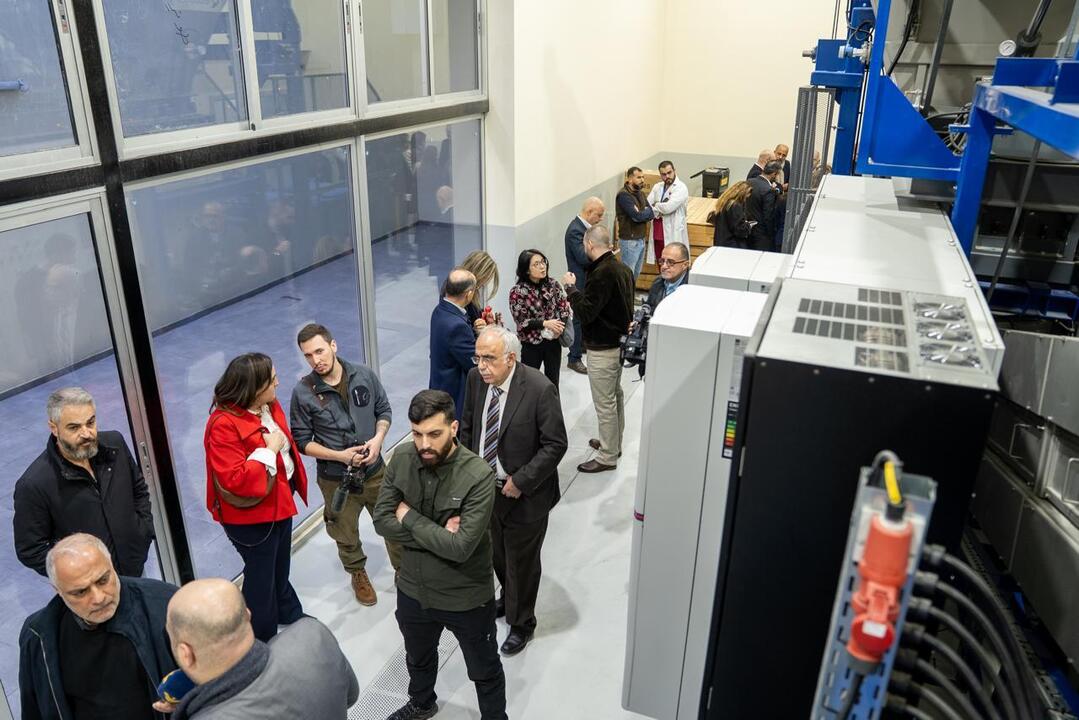
NNA - Beirut, Lebanon – 17 January 2026 – Lebanon today opened its first public hospital-based infectious healthcare waste treatment facility at Karantina Governmental University Hospital in Beirut, marking a major step toward safer healthcare practices and stronger environmental protection.
Funded by the European Union and implemented by the United Nations Development Programme (UNDP), the facility serves healthcare providers across Beirut and Mount Lebanon. It reduces pressure on landfills, limits unsafe disposal practices, and strengthens infection prevention and control standards, particularly in public hospitals.
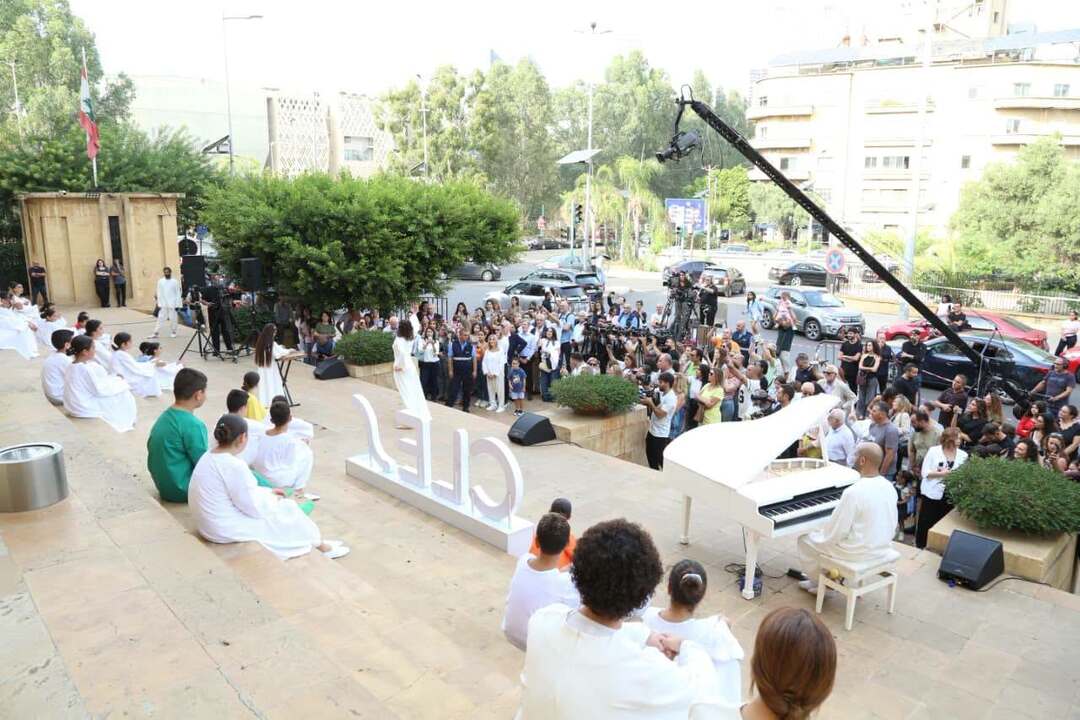
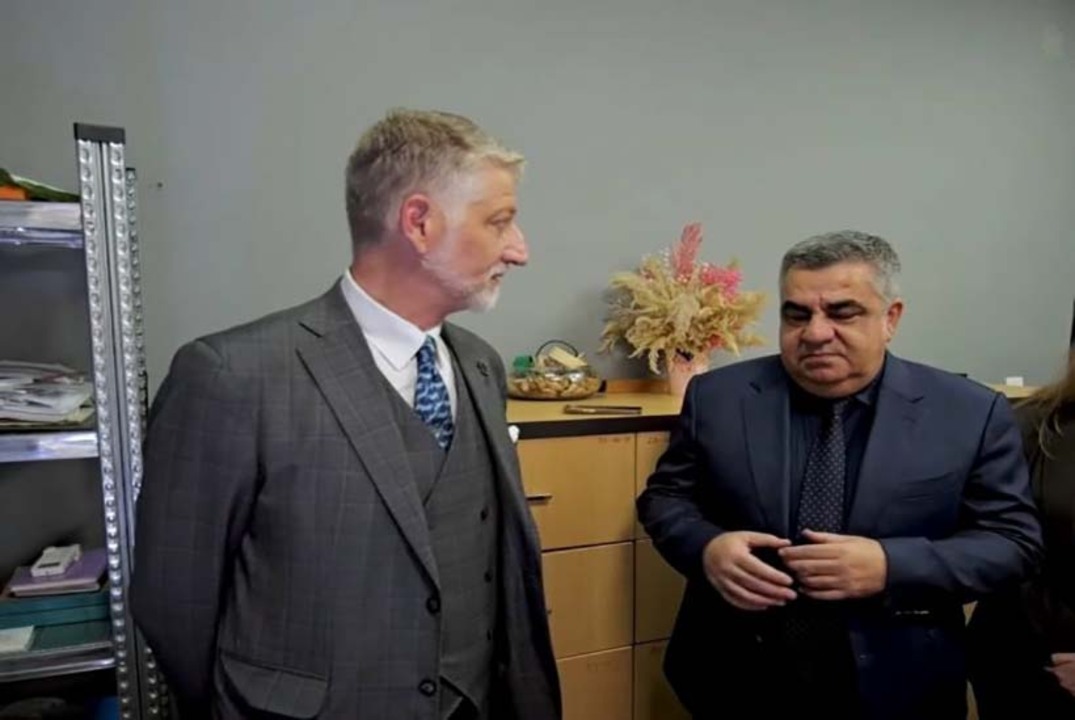
The facility was inaugurated in a ceremony attended by H.E. the Minister of Public Health, Dr. Rakan Nassereddine; H.E. the Minister of Environment, Dr. Tamara El Zein; Head of Cooperation of the European Union Delegation to Lebanon, Alessandra Viezzer, and UNDP Resident Representative in Lebanon Blerta Aliko, alongside representatives of government officials and key national and international partners.
"This project demonstrates that cooperation and coordination—particularly among ministries—are key to success," said Dr. Rakan Nassereddine, Minister of Public Health. "It offers a practical, real-world example of how challenges in Lebanon can be addressed and provides a tangible solution to part of the problem." He added that "the project ensures the safe and secure treatment of medical waste, safeguarding public health and the environment."
Minister Dr. Tamara Al-Zein addressed the issue of waste, stressing that "the waste crisis in Lebanon is not only technical, but also related to governance, management, and financing." She explained that "over the past few months, the ministry has worked to reorganize the sector through three main pillars: passing a cost recovery law, updating the national strategy, and forming a national waste management authority, while also working to digitize the sector to enhance transparency and traceability."
"Supporting public institutions and safeguarding people’s health are at the core of the European Union’s partnership with Lebanon. Through initiatives such as TaDWIR, the European Union is investing in sustainable solutions that strengthen national systems, protect the environment, and deliver lasting benefits to communities across the country," said Alessandra Viezzer, Head of Cooperation at the European Union Delegation to Lebanon.
"The Karantina facility marks a turning point in how healthcare waste is managed in Lebanon. It moves the country beyond temporary or emergency solutions toward a sustainable system that combines infrastructure, regulation, and local capacity," said Blerta Aliko, UNDP Resident Representative. "It serves as a model that can be replicated in other regions as Lebanon strengthens its healthcare waste management nationwide."
Lebanon generates more than 12,000 tons of hazardous healthcare waste each year, yet only around 60 per cent is safely treated, leaving thousands of tons at risk of unsafe disposal and environmental contamination. The Karantina facility helps close this gap by treating up to seven tons of infectious healthcare waste per day.
The facility is expected to become fully operational by April 2026, marking an important milestone toward safer, more resilient, and environmentally responsible healthcare systems in Lebanon.
*About TaDWIR*
Towards a Decentralised Waste management Integrated Response (TaDWIR) is an EU-funded project implemented by UNDP that strengthens Lebanon’s waste management systems by reducing landfill use, improving waste treatment, and enhancing governance and cost-recovery. It addresses multiple waste streams—including healthcare, hazardous, municipal, and non-municipal waste—through a system-wide approach that promotes environmental protection and resource efficiency.