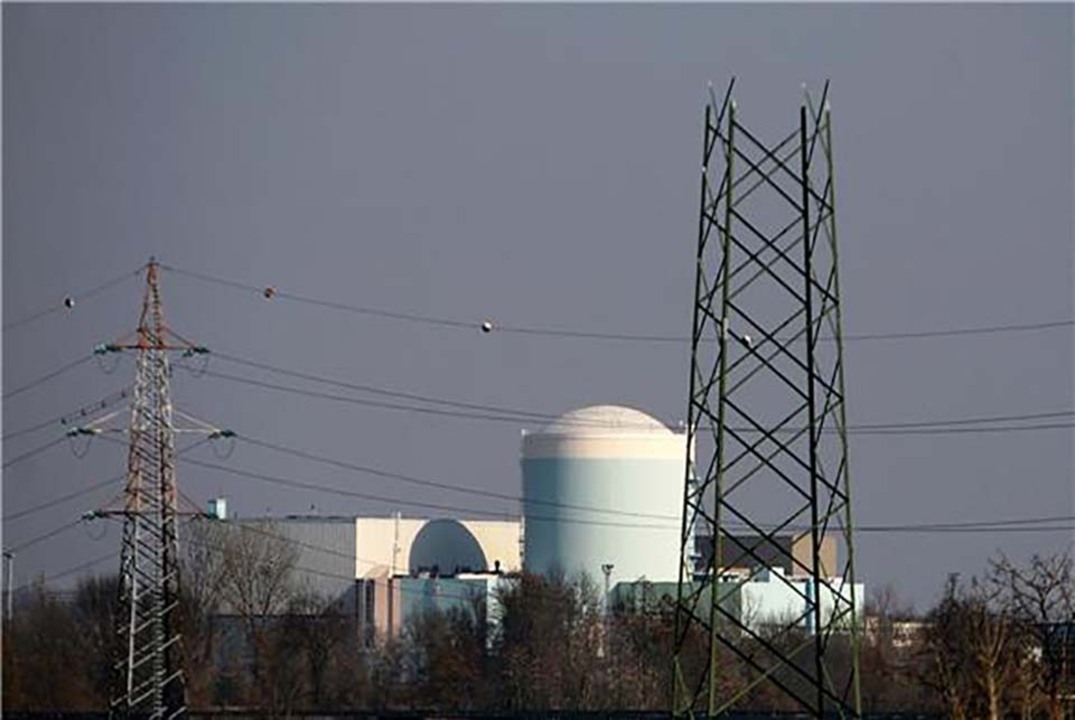
ZAGREB, 18 Feb (Hina) - Croatian government sent to parliament a bill on the development of nuclear energy for civilian purposes, opening the way for the possible construction of a nuclear power plant in Croatia.
Economy Minister Ante Šušnjar said the proposal, for the first time, set out a systematic legal framework for the development of nuclear energy for civilian use.
He said the debate on nuclear energy comes at a time of rising electricity consumption and increasingly demanding climate targets, adding that nuclear power is becoming a stable, low-carbon and cost-effective long-term source of energy.
Explaining why the law was needed, Šušnjar said Croatia faced a threefold challenge: ensuring the competitiveness of its economy, safeguarding energy security and achieving climate neutrality.
"The goal is for nuclear energy to account for at least 30% of the total energy mix by 2040," he said, adding that the bill set out steps for responsible planning and the creation of a scientific, regulatory and technical basis for future decisions.
Under the bill, the minister responsible for energy will adopt, within six months of the law's entry into force, a programme of activities to draw up a development plan for nuclear energy, while the government will adopt the plan within 12 months of the programme's approval.
Šušnjar said locations for nuclear power plants would be determined under separate legislation. "With this law, Croatia is not only choosing a new energy source, but making a strategic decision confirming its commitment to energy security, climate responsibility and technological progress."
According to the government, new-generation nuclear plants offer increased operational flexibility in electricity production and can coexist with renewable energy sources. They can also produce process heat and district heating, supporting decarbonisation in industry and heating, and generate hydrogen in larger quantities in an economical and efficient manner.